02
The concept space
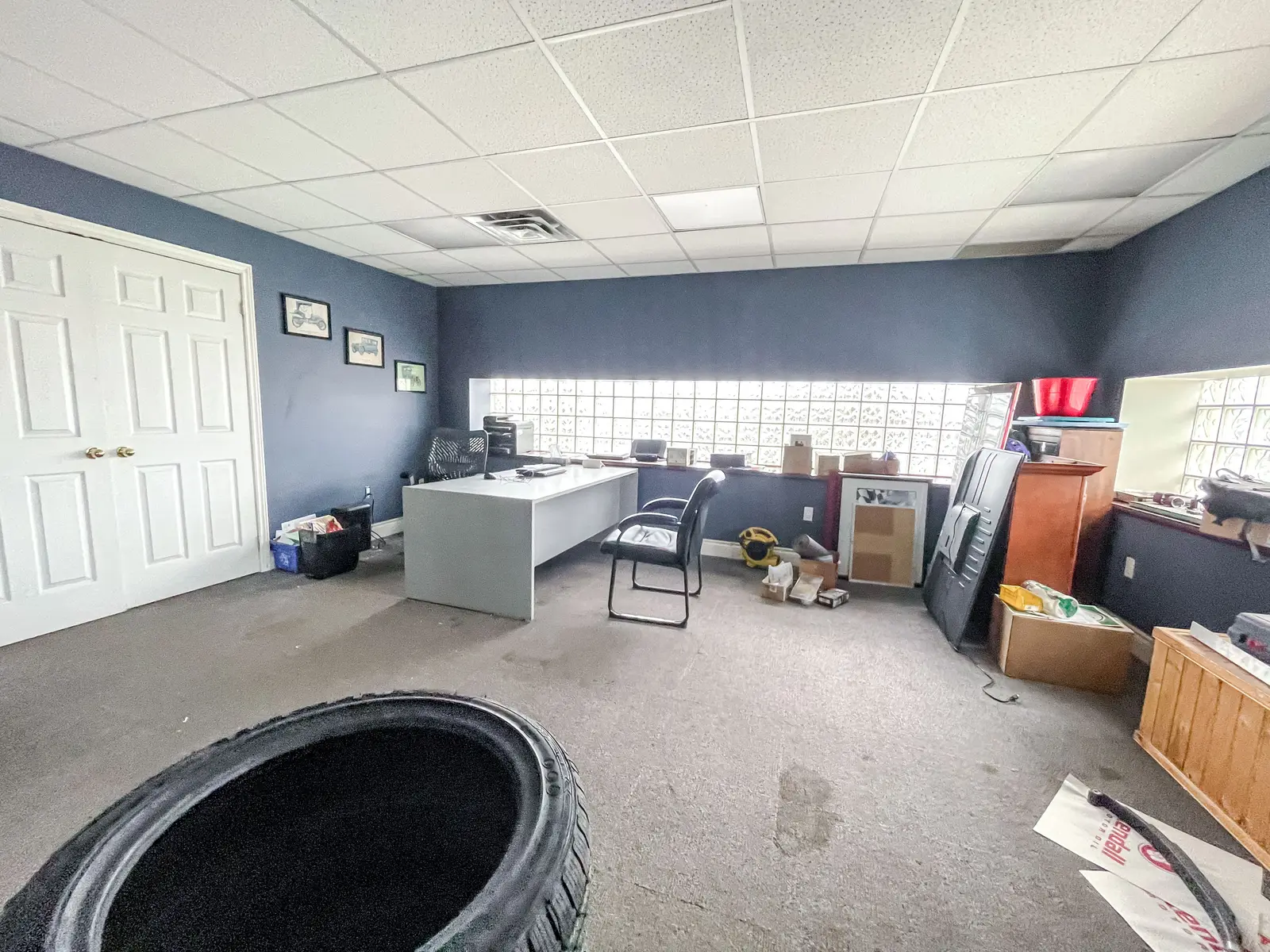
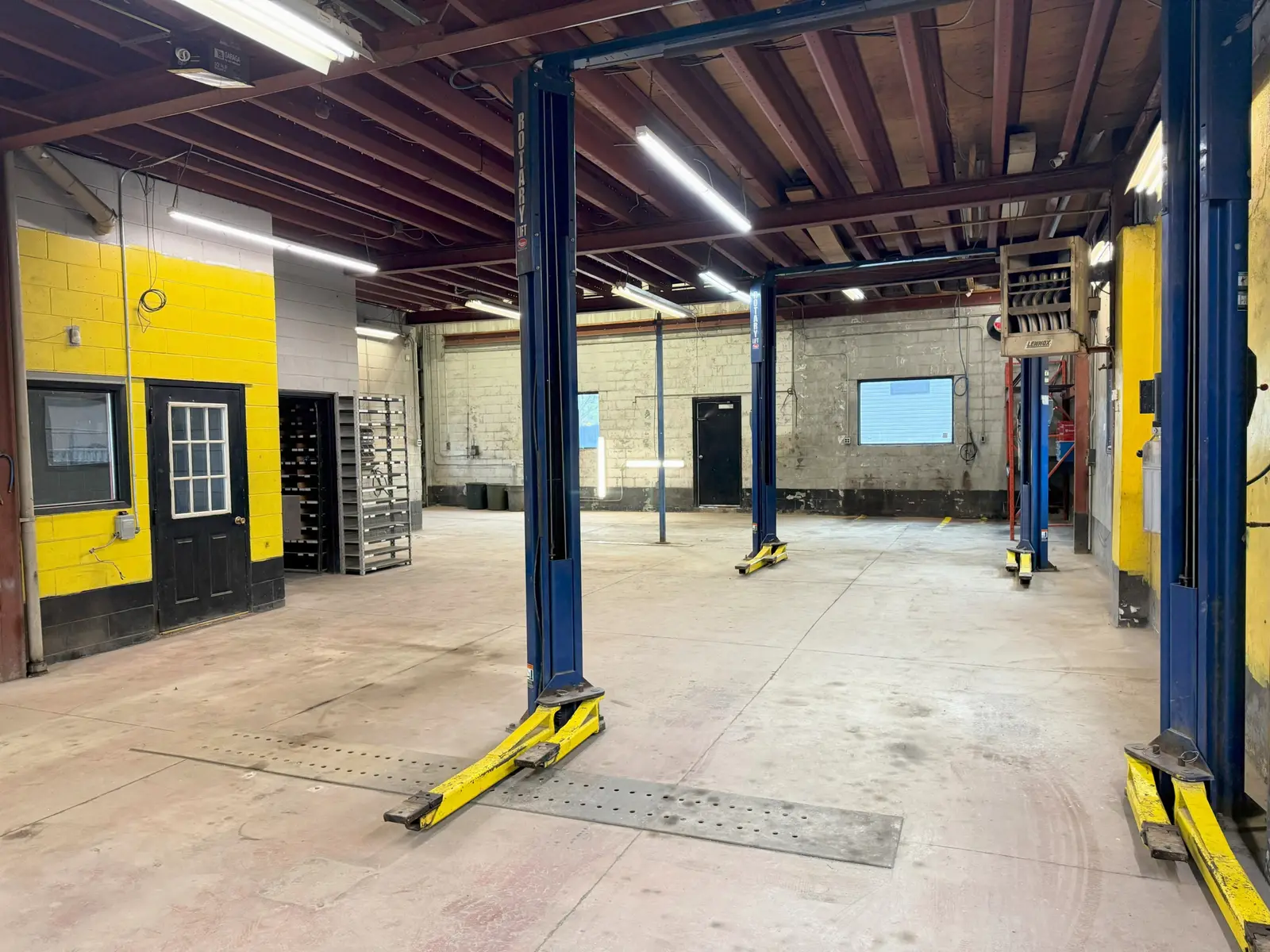 Interior photography, the study's own archive.
Eight concepts entered the funnel and none survived. Every one carried a kill criterion written before capital.
The program ran from late April to mid July 2026. It began as a neighbourhood-retail software platform, narrowed to the question of what the site itself could carry, and ended the day the last candidate use was falsified. Each concept below is listed with what killed it, because the kill reasons are the study’s actual findings.
- CPG micro-retailParked. Payment processing takes ~15% of a $2.50 basket; no volume fixes a ratio.Apr 30 → Jul 13
- Staffed bubble teaRejected the same day it was proposed. No staff in store operations, ever.Jul 13
- Unattended bubble teaPivoted. Tapioca needs a heated hold, the exact burden an unattended format cannot carry lightly.Jul 13 → 14
- Unattended smoothieKilled. Measured category demand at 6.8 cups/day against a 12-cup floor, and ~$26K of capital paying back in 2.2 to 3.3 years against a 24-month line. Better-funded operators ran it first and lost.Jul 14
- Prepackaged cold drinksSurvived every format test. Closed with the site, not falsified; the most revivable line.Jul 13 → 14
- Venue-placed unitsClosed. Where these machines survive, venue service fees carry them, not cup margins.Jul 14
- Private training venueKilled on paper. Change-of-use permit, assembly-occupancy obligations, and the same geometry.Jul 14
- Micro officeConsidered; closed with the venue lines. The record holds no dated entry, and none is invented.undated → Jul 14
What each concept met
CPG micro-retail. The founding concept: shelf goods, transparent platform pricing, phone checkout. Payment processing on a $2.50 convenience basket takes roughly 15 percent of revenue, at any volume, so the concept was parked. The platform shipped and works; the format waits for a higher-ticket application.
Staffed bubble tea. Recommended to the program, rejected the same day, and the rejection became standing doctrine: no human staff in store operations, ever. A format that only works with a shift worker is a different business than the one under study.
Unattended bubble tea, then smoothie. The core candidates. Bubble tea fell first, on a food-safety mechanic: tapioca requires a heated hold, and a heated hold of a time-and-temperature-controlled food is exactly the obligation an unattended format is least able to meet. The pivot target, a smoothie format built on individually-quick-frozen fruit, deletes that burden. It died a day later anyway, on the two findings of chapters 03 and 07: measured category demand below the model’s floor, and total capital that does not pay back inside the kill line. Appendix D is the third leg: better-funded operators had already run the experiment and lost.
Prepackaged premium cold drinks. The low-risk format survived every regulatory and machine test in this study. It was swept away with the site, not falsified. Of everything in the funnel it remains the most revivable, on a different parcel.
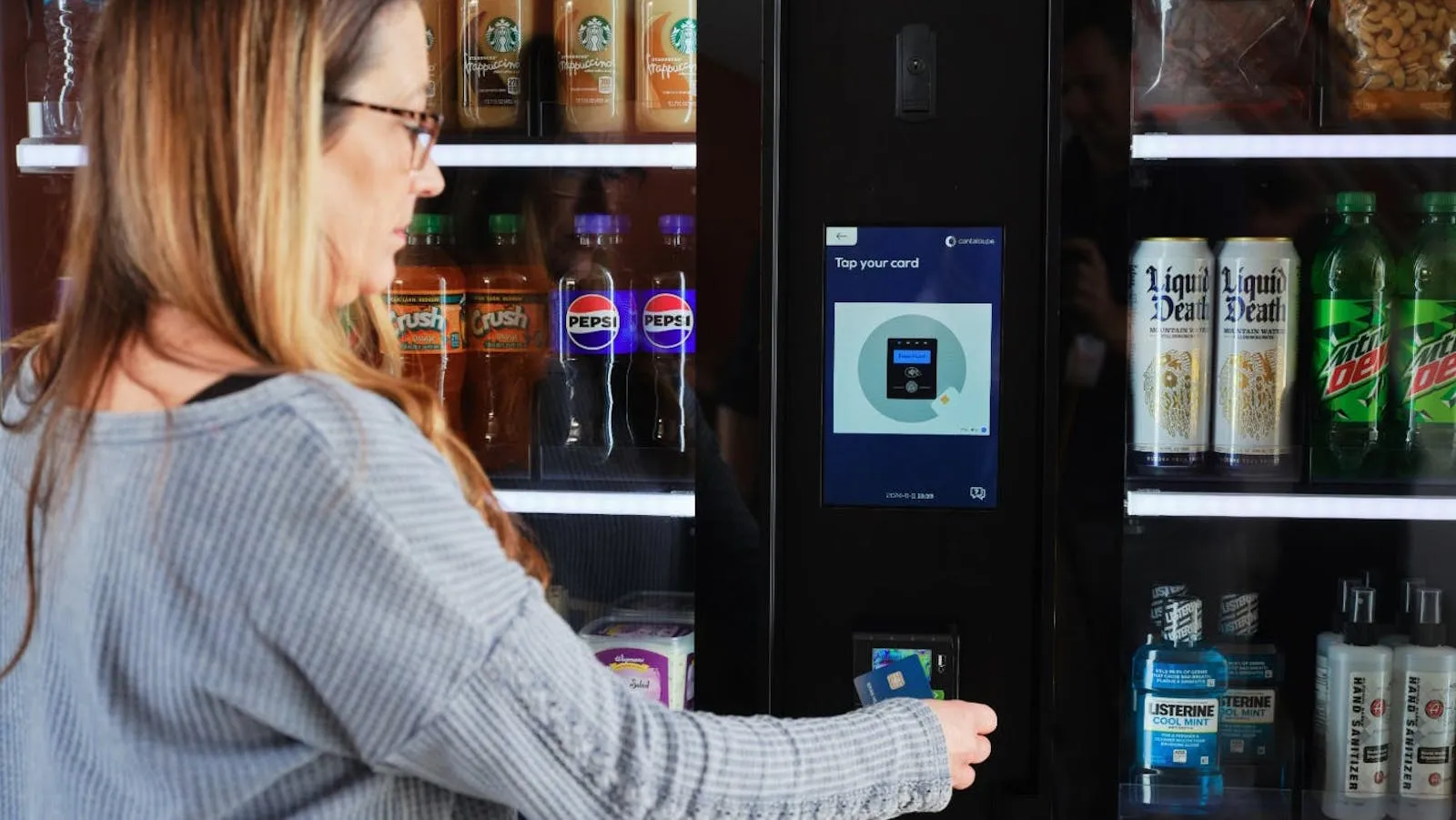
Venue-placed units, and selling the machines. Floated on the final day and closed by the category evidence: where unattended drink machines survive, venue service fees carry them, not cup margins. Operating placed units is a real business, but it is a services business with a sales motion, which the practice was not going to bolt on to rescue a site.
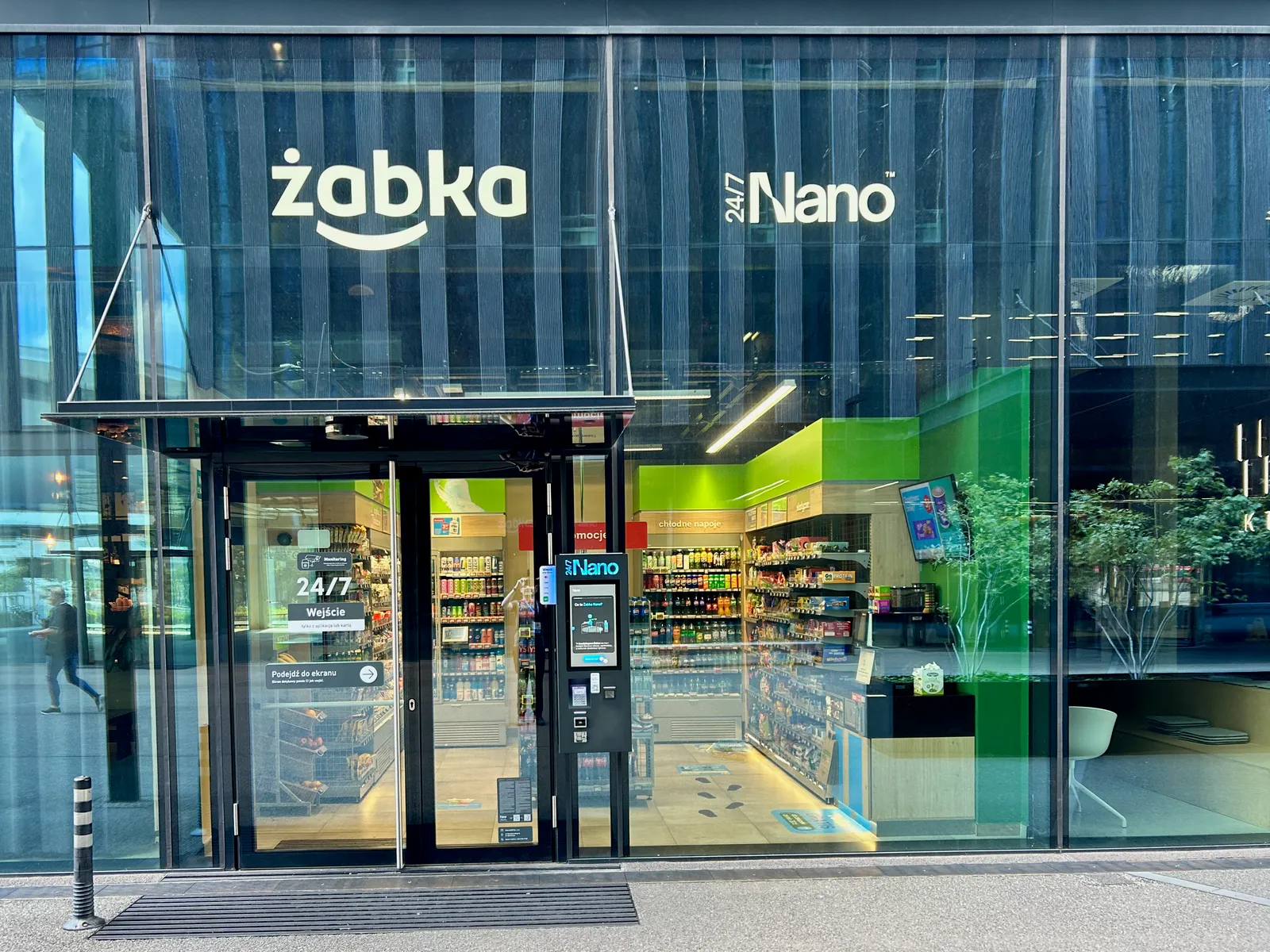
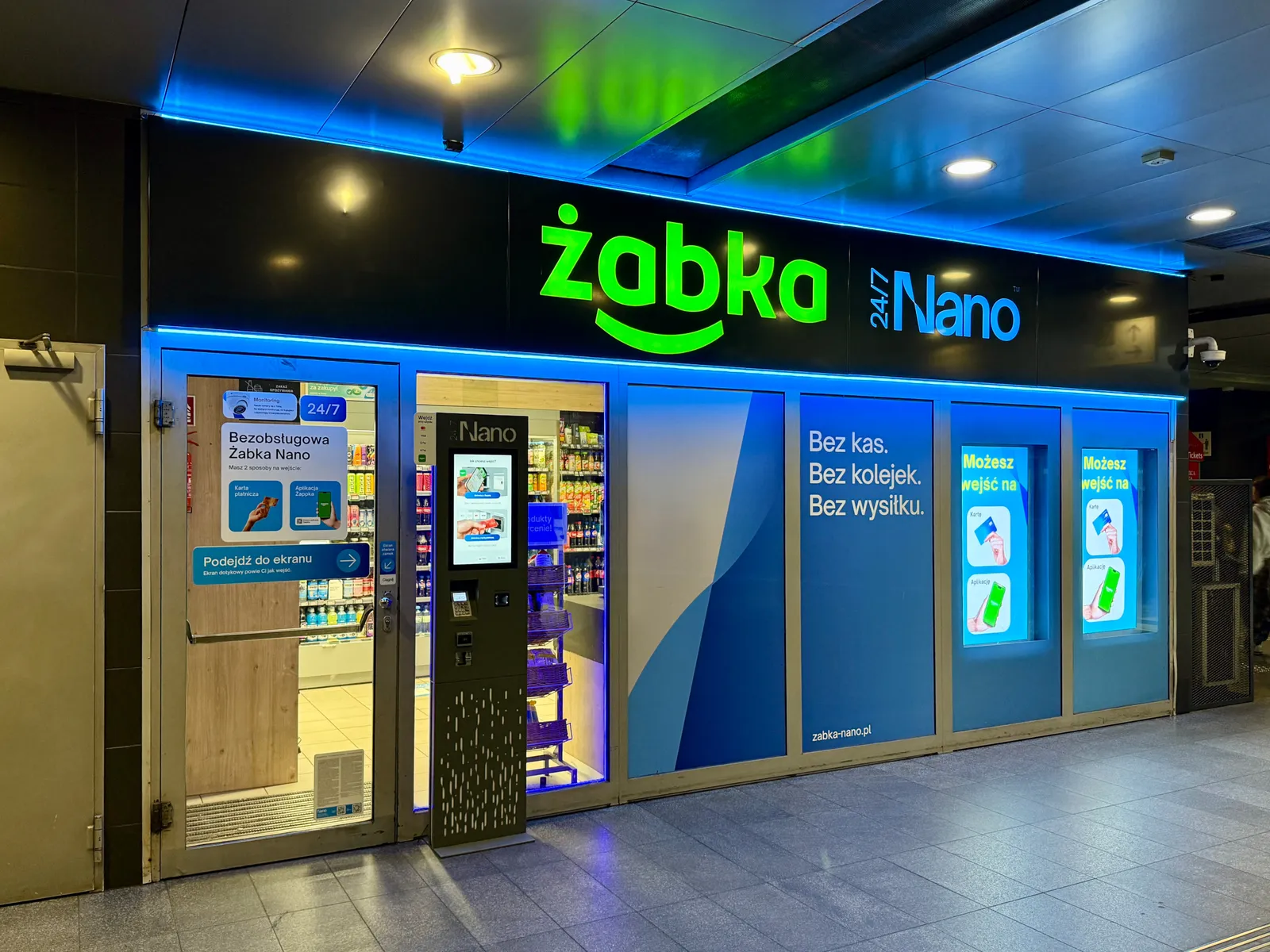
Private training venue. The last non-retail reuse. It failed on paper before it failed on geometry: a change-of-use permit applies even without construction, a fitness use classifies as assembly occupancy under the building code, and a 240 square foot unplumbed structure cannot meet the washroom and barrier-free obligations that classification brings without disproportionate spend.1 Client access would still cross the vehicle plane hourly. The local market for hourly training space is also already served.
Micro office. Considered; closed with the venue line. The program’s record holds no dated entry for it, and the chart shows the gap.
The kill criteria
The fresh-drink format carried seven numbered criteria, set while the machine was still a spreadsheet line. Three are worth reading in full, because they did the killing or would have.
| # | If this happens | Then |
|---|---|---|
| K1 | Counted demand below 6 cups/day after the minimum sample; a go requires a counted base case of 12 or more | Re-site or re-product. Do not buy the machine. |
| K2 | No doctrine-compliant machine at or under $20K CAD landed, and no DIY build at or under $15K in parts | Wait or descope. The rules are not negotiable to make a purchase happen. |
| K5 | Machine availability under 95% in the first 60 days, any health-unit stop order, or more than two verified made-wrong incidents | Halt scale-out. Re-engineer before a second store. |
| K6 | Winter net below zero and trailing payback projecting past 24 months | Format kill. The structure reverts to storage. |
| K7 | The public-health unit classifies the operation as a food service premise requiring an on-site certified food handler, and no low-risk menu redesign escapes the classification | Format kill for fresh drinks at this site. Doctrine forbids staffing around it. |
The record on how these resolved is itself instructive. K2 was falsified by research before any order was placed: no compliant machine lands under $20K (chapter 05). K1 was never run; the site died before the September counting window. K7 was never answered; the classification question’s public evidence is chapter 04. What closed the program was not on this list at all: the category’s own published record and the total-capital arithmetic, both of them free and public the whole time. Walk-up circulation was not on the list either; chapter 08 records it as a bound on one structure, and it moved none of the arithmetic. The method note in Appendix C carries the amendment that follows: read the category’s record, and price what it costs to prove a model, before building the model.
Notes
- City of Hamilton Building Permit By-law 15-058 (change-of-use permit requirement); Ontario Building Code Group A-2 assembly classification and its washroom and barrier-free obligations, as assessed in the program’s close-out record, July 2026.