520 Barton.
An unattended-retail feasibility study.
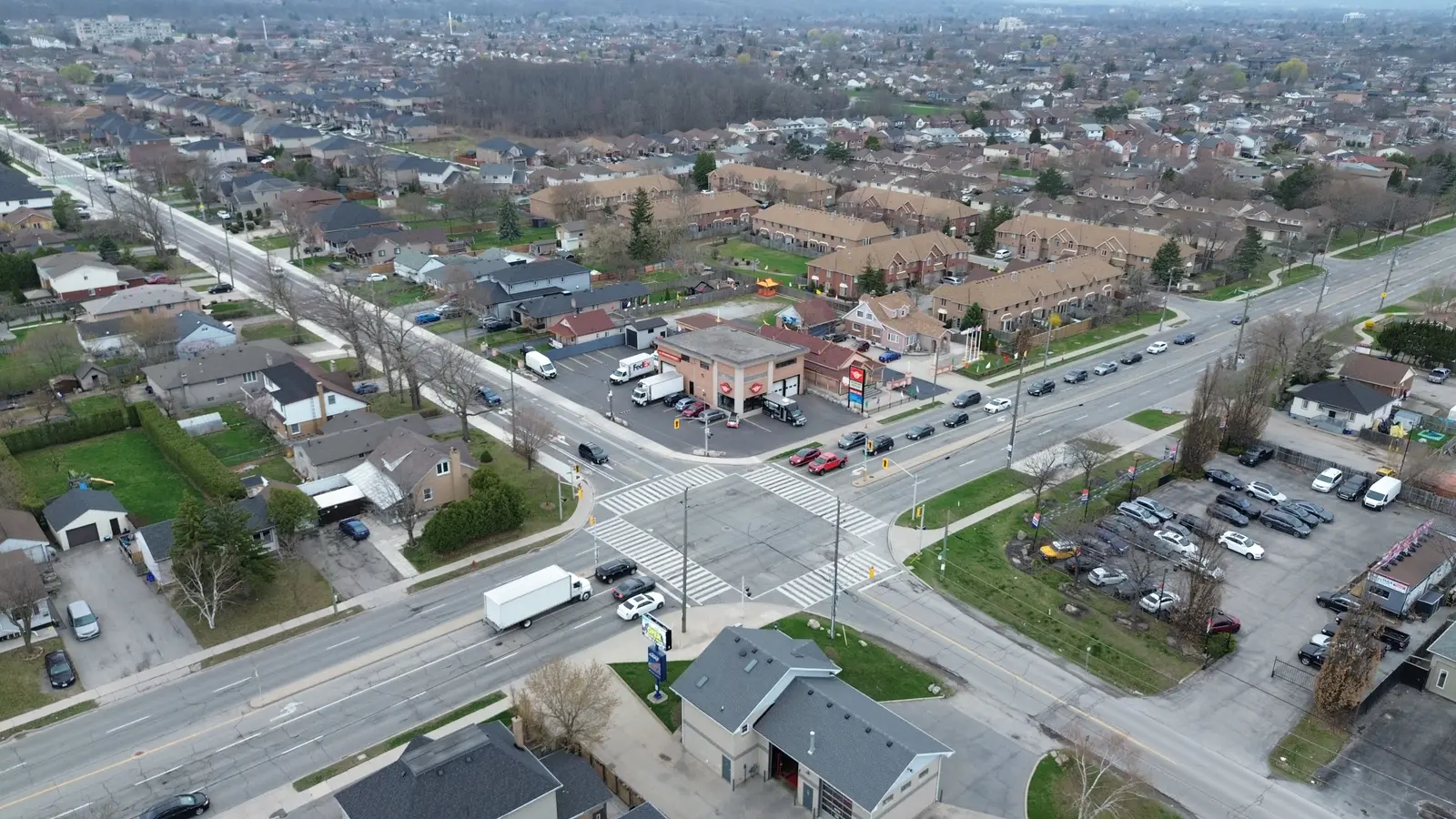
A corner property in Stoney Creek, Hamilton, and the venue question inside a 76-day program: can unattended, machine-served retail carry itself with no staff, in a small structure on a high-exposure lot.
Abstract
This study examines 520 Barton Street East as a site for unattended, machine-served retail. It covers the site’s exposure and zoning, the concepts considered, the unattended fresh-drink category’s public evidence base, the regulatory classification question in two jurisdictions, a buy-or-build assessment of drink automation, the software platform built alongside, and the unit economics at total capital. The method was kill criteria set before spend. The verdict is kill: unattended fresh-drink retail fails on demand per machine in every measured case, and the cost of proving otherwise exceeds the return available, as better-funded operators established before this program began. The corner remains a strong asset. Venue capital spent was approximately zero.
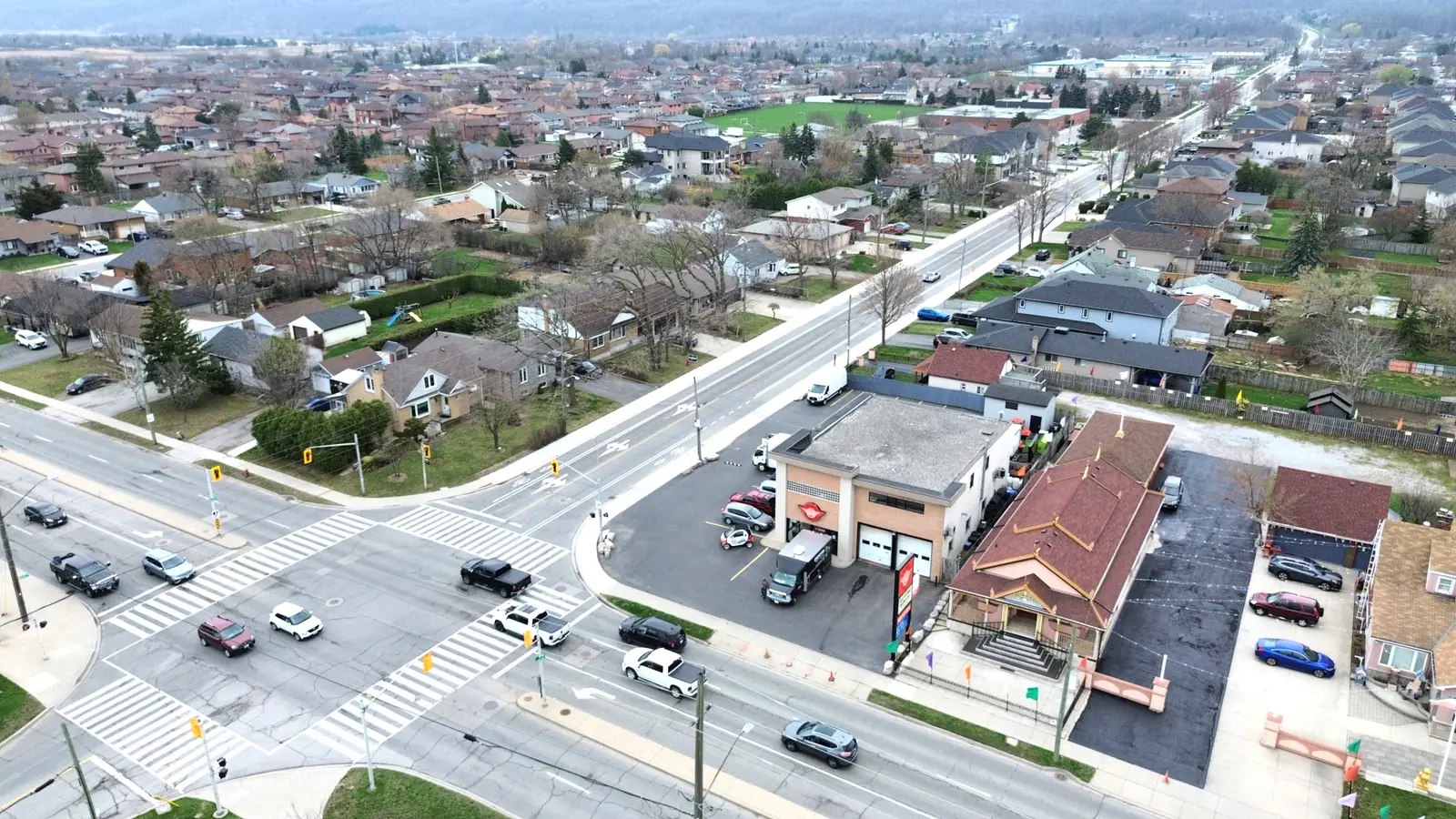 015 min21,034daily impressions, per the billboard vendor's listingThe siteTwo frontages on a signalized corner. The asset was never the question.
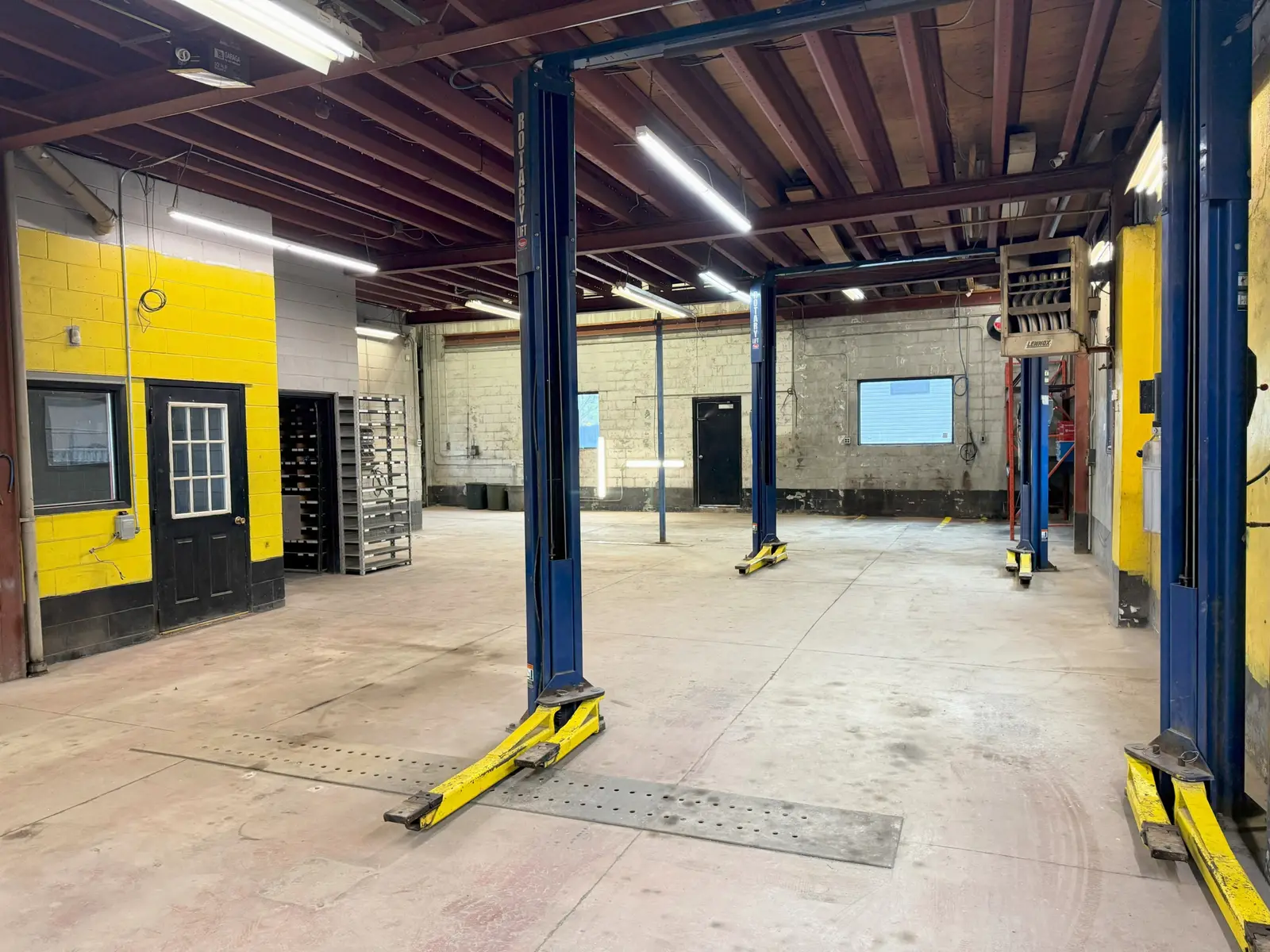 026 min8concepts entered the funnelThe concept spaceNone survived. Every one carried a kill criterion written before capital.
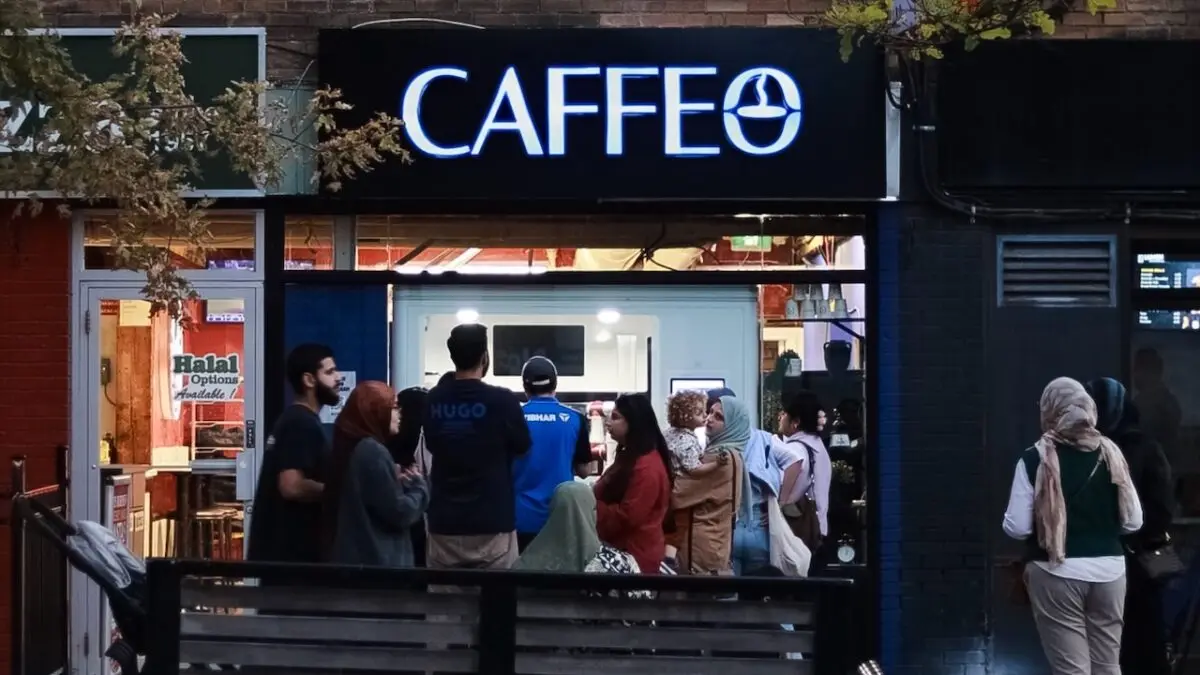 039 min6.8drinks per day, the category's one measured rateCategory analysis: unattended fresh-drink retailThe public record holds a single throughput figure. The chapter is built around it.
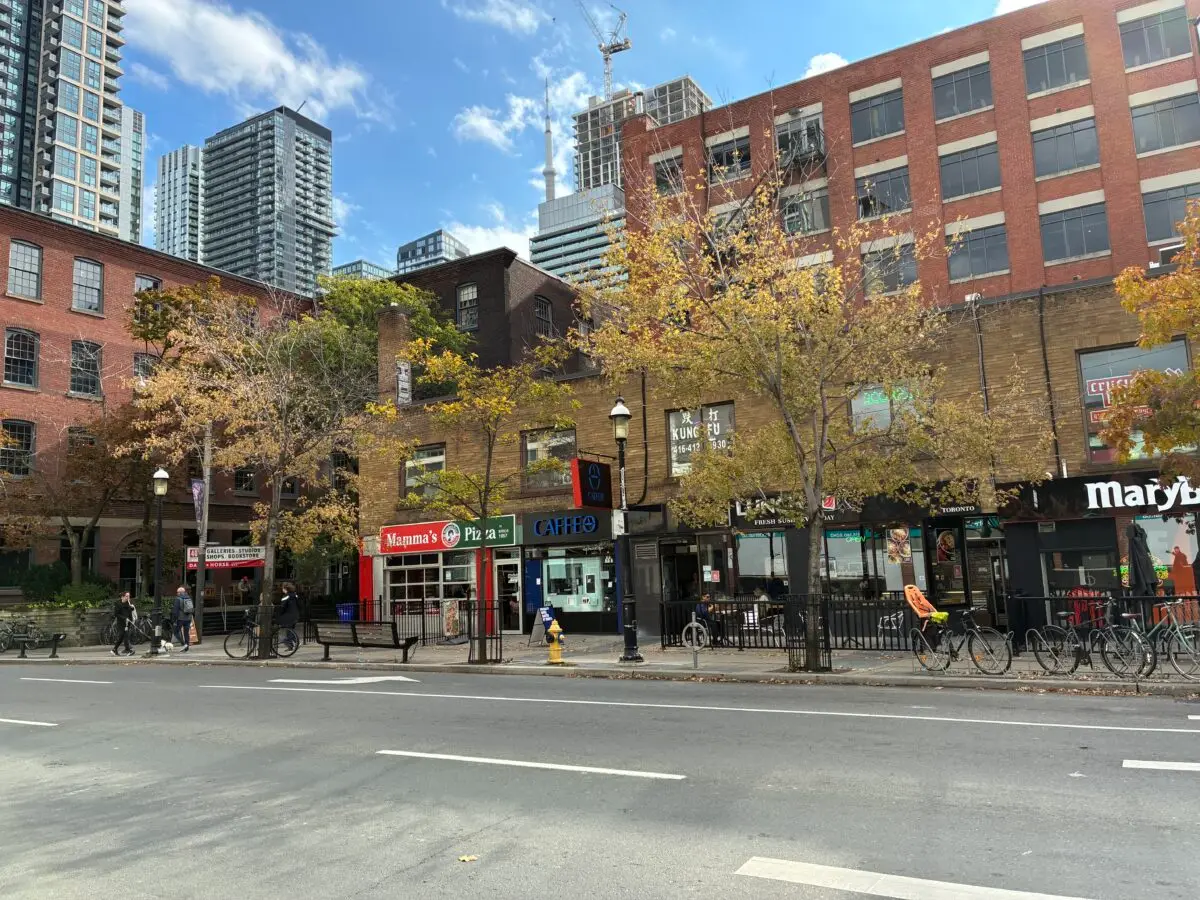 046 min0inspection records for a live Toronto robot cafeRegulatory postureThe paper requires a trained human beside the machine. Two cities police it otherwise.
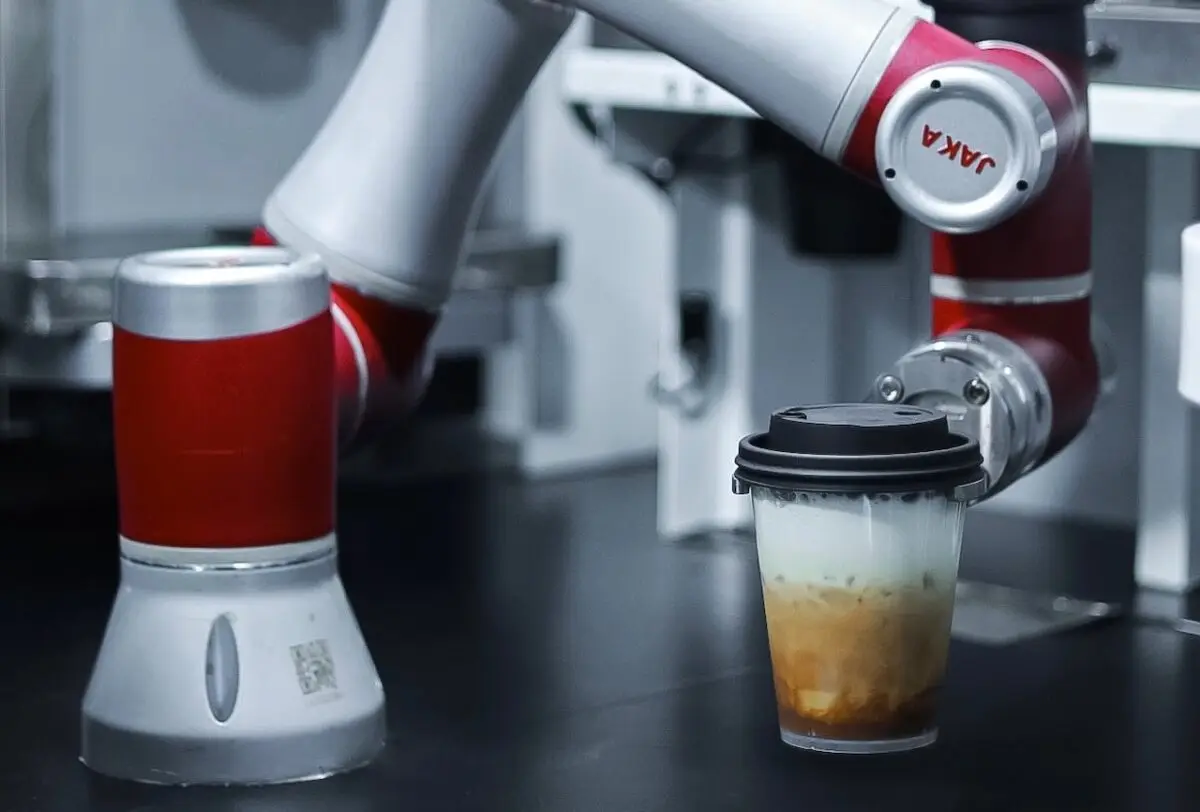 057 min$26,500real landed cost of the $20,000 predictionAutomation assessmentThe doctrine-priced drink robot does not exist. The research went looking.
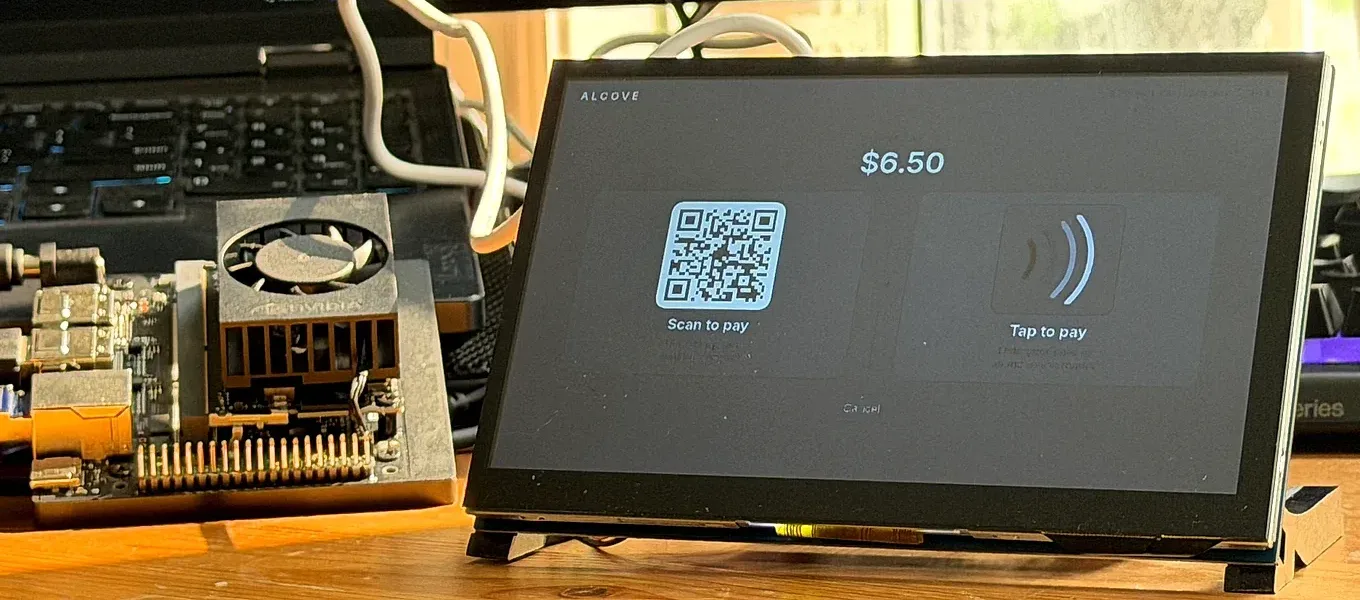
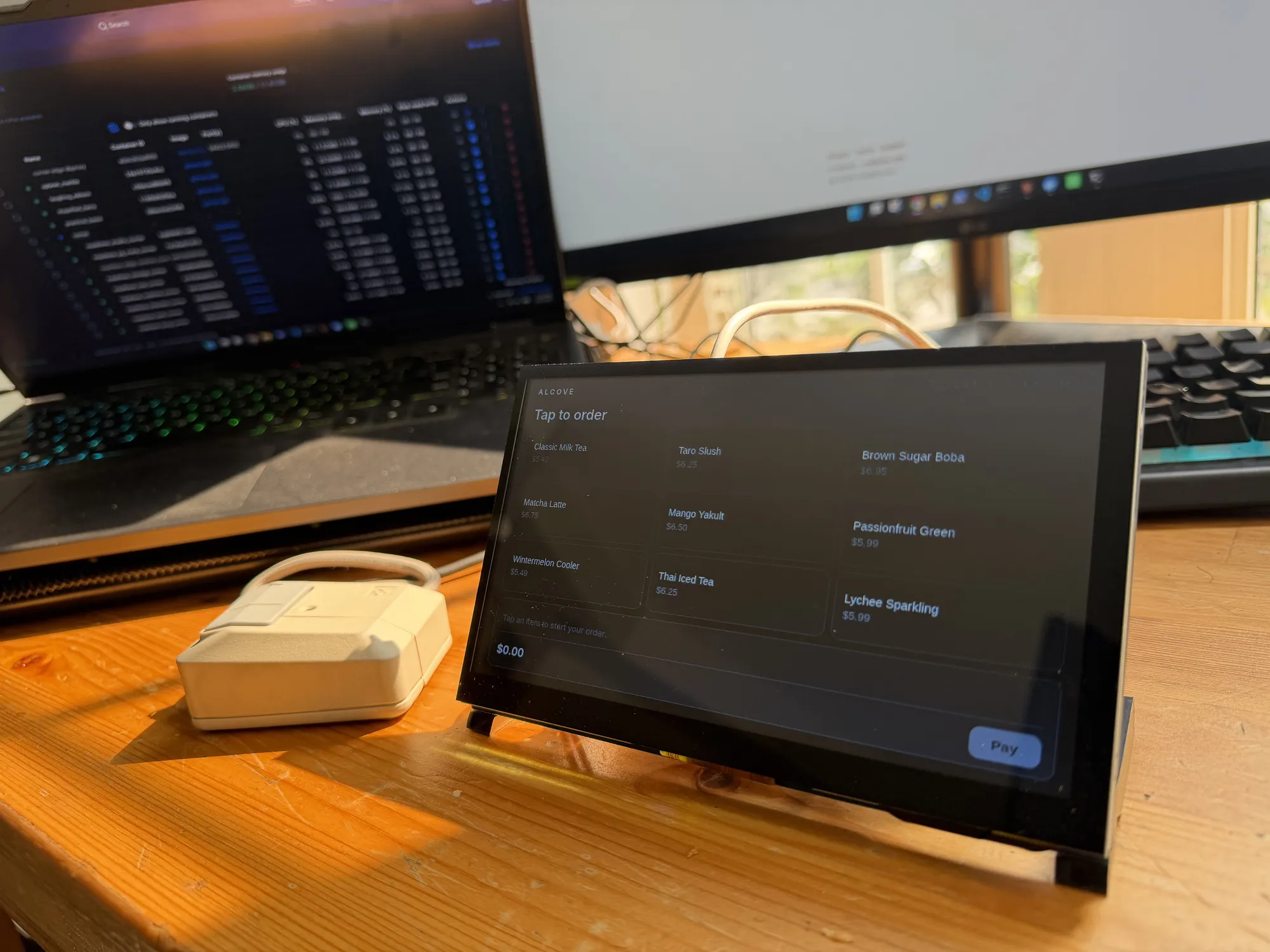 066 min71/71destruction-pass checks heldThe platform buildOne principal, 76 days, four money paths, one live dollar. Tested to destruction.
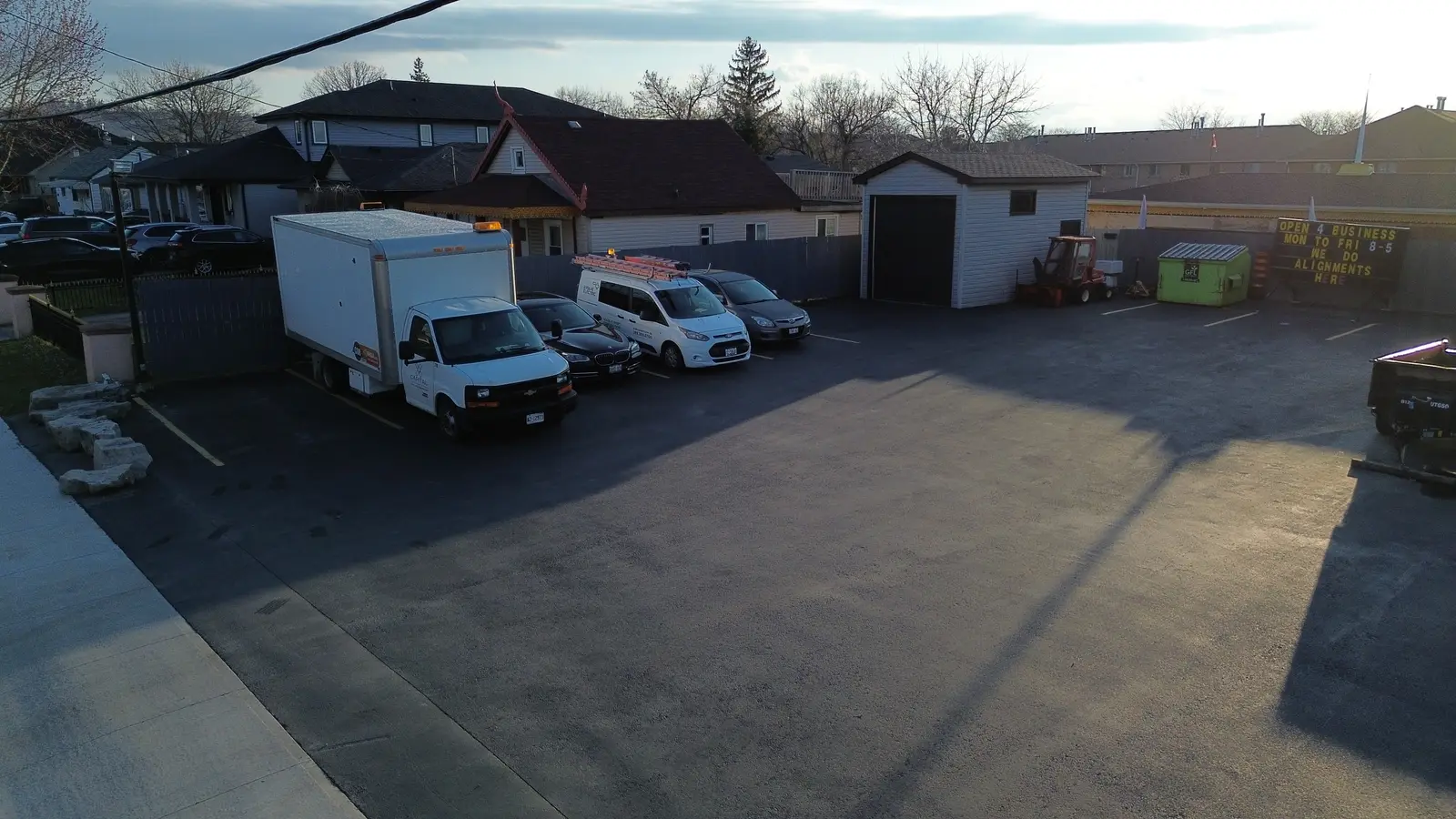 076 min4 cupsa day clears running costs. Capital is another matterUnit economicsPayback runs 2.2 to 3.3 years against a 24-month kill line.
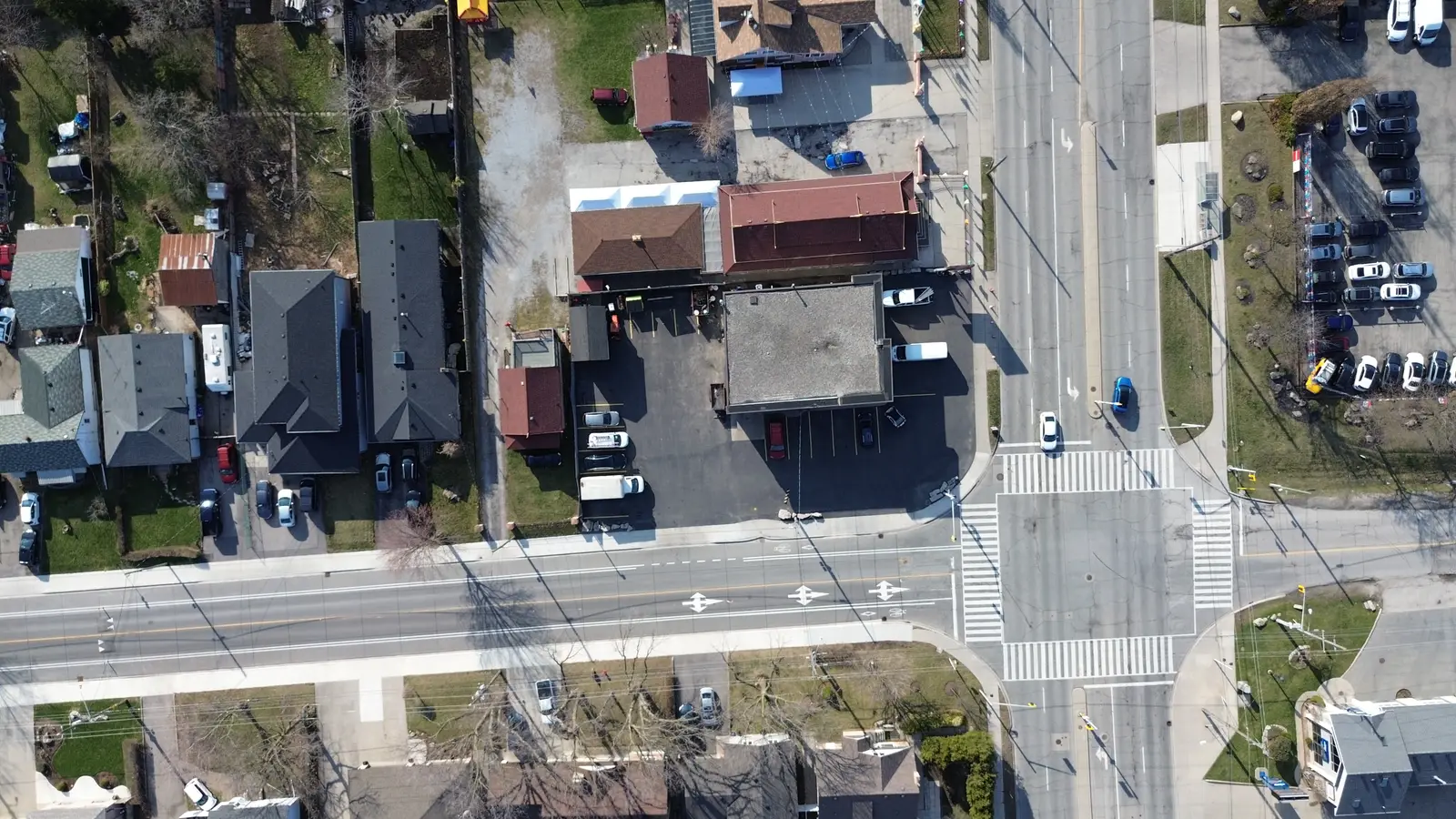 084 min90 × 160 ftof lot; every walk-up crosses its circulationSite circulationEvery walk-up to the rear structure crosses the vehicle plane. It caps the building, and it is not why the program closed.
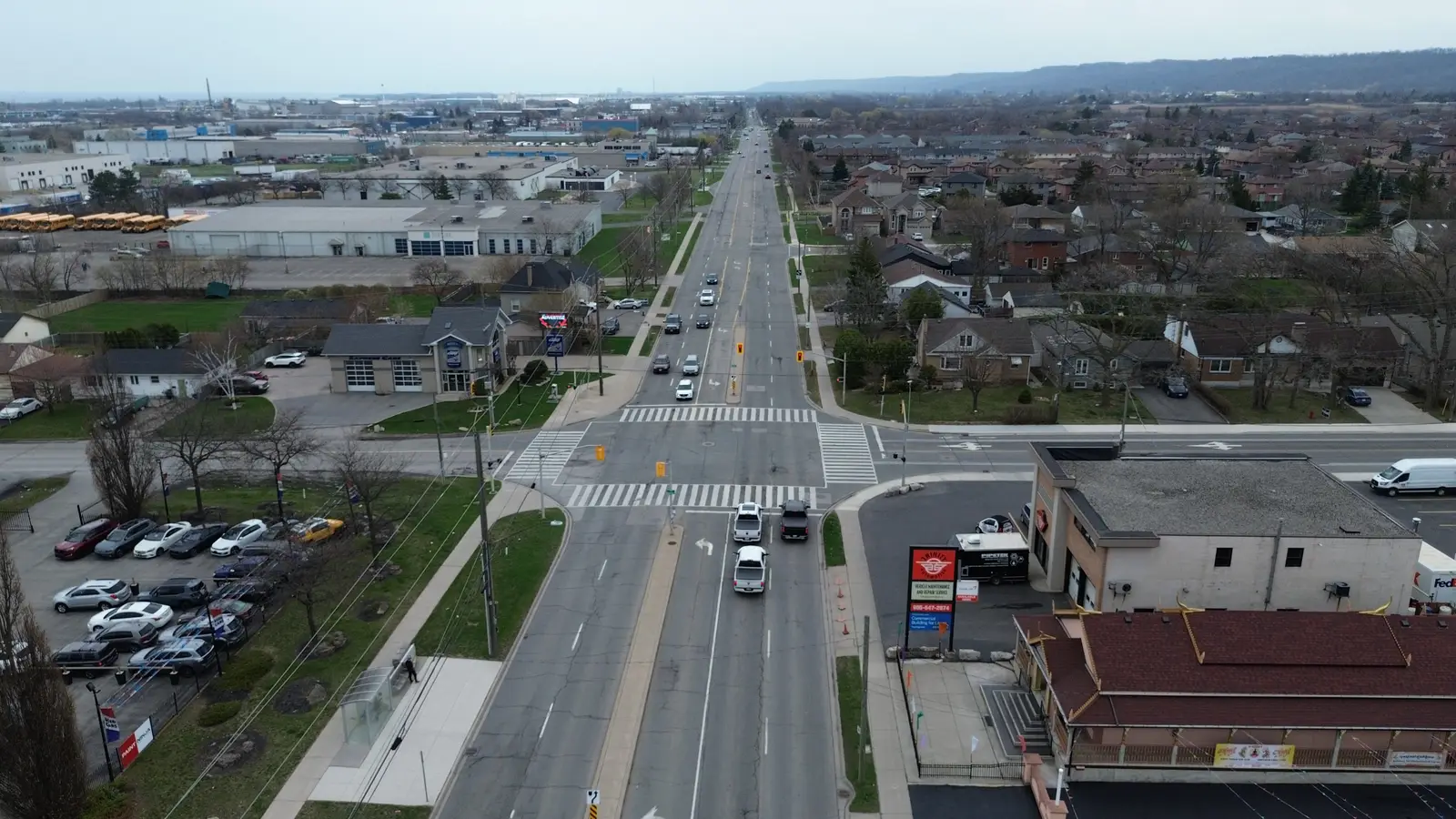 093 minkillthe verdict, in fullVerdict, and what transfersBetter-funded operators proved it first. What transfers is the record.