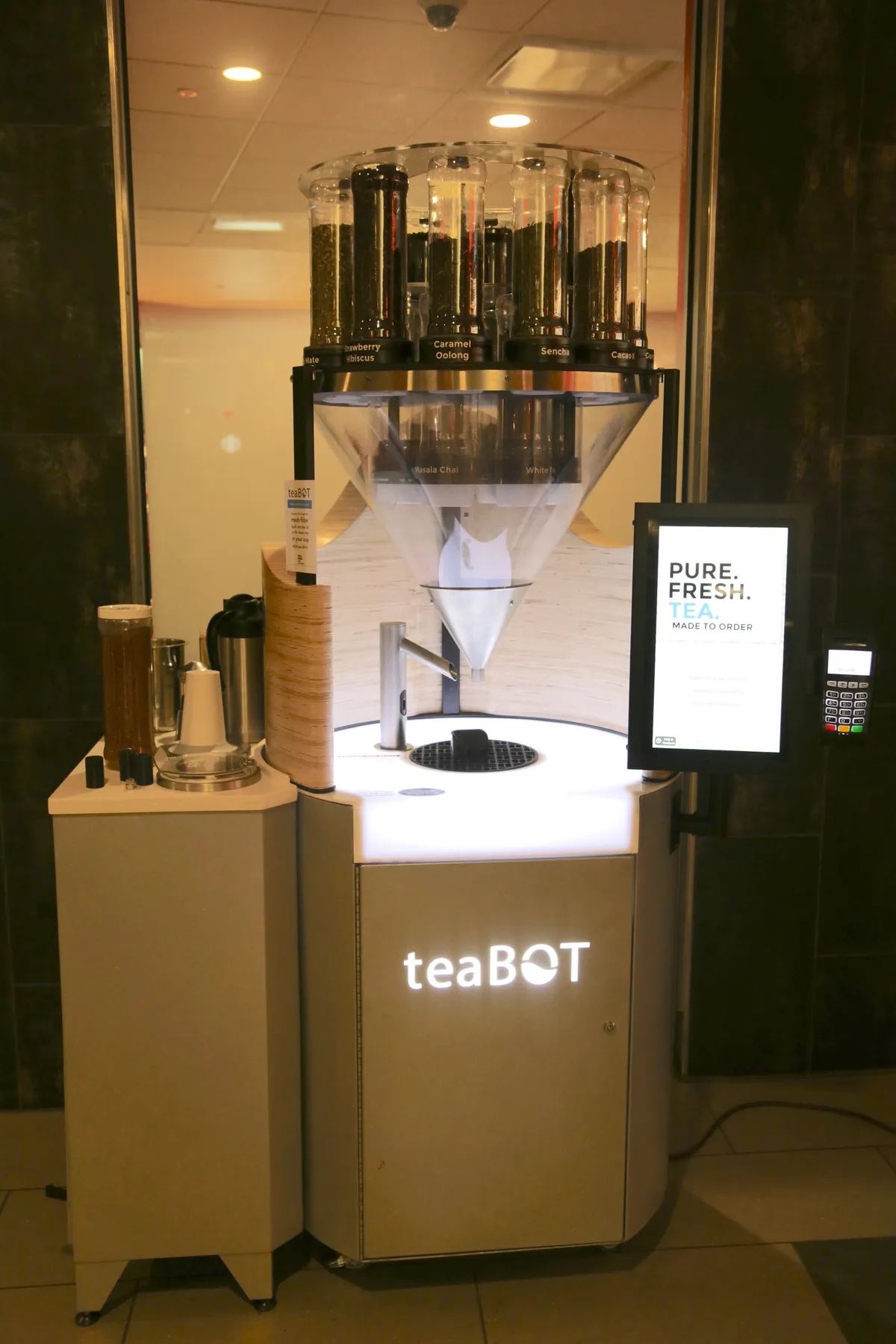
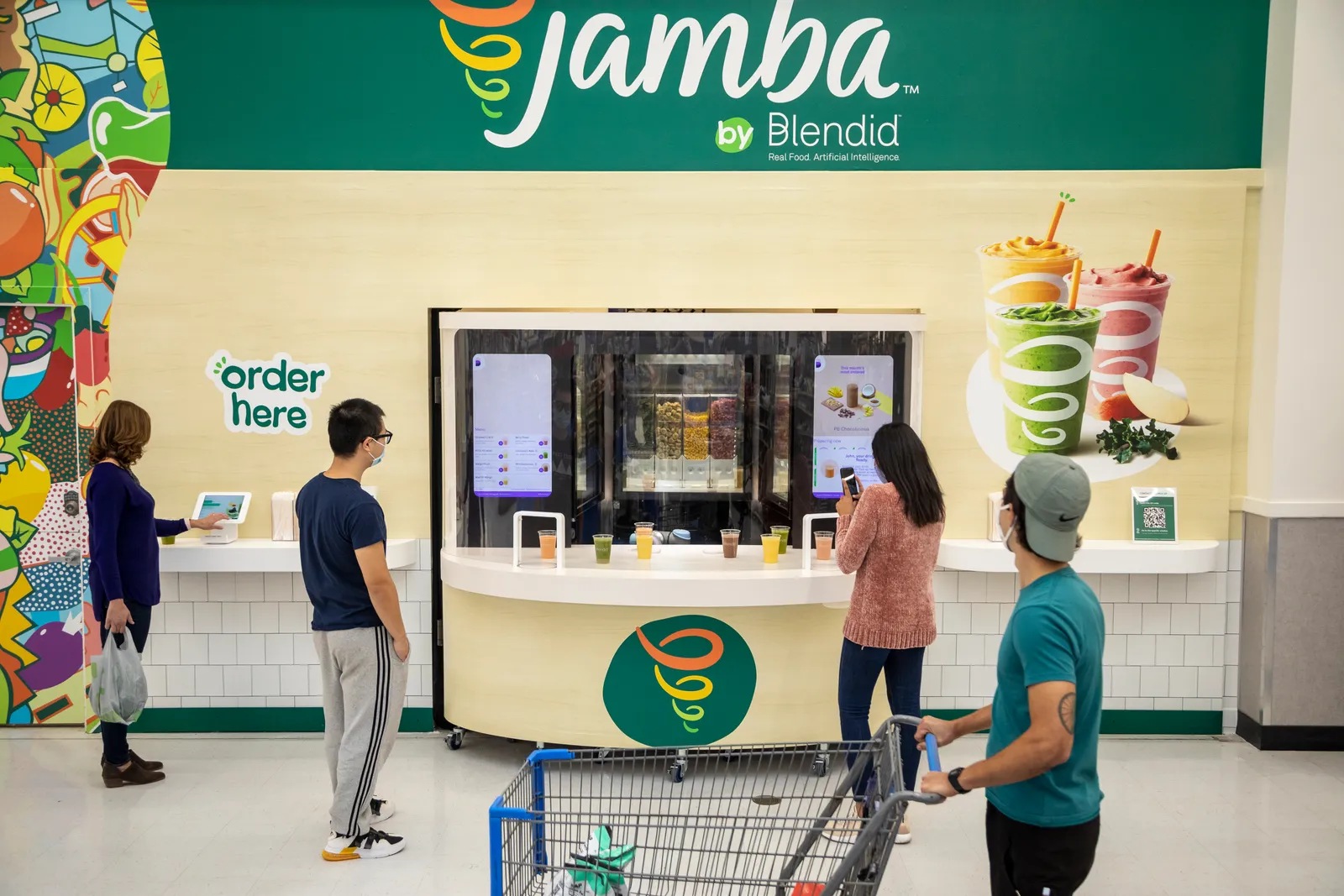
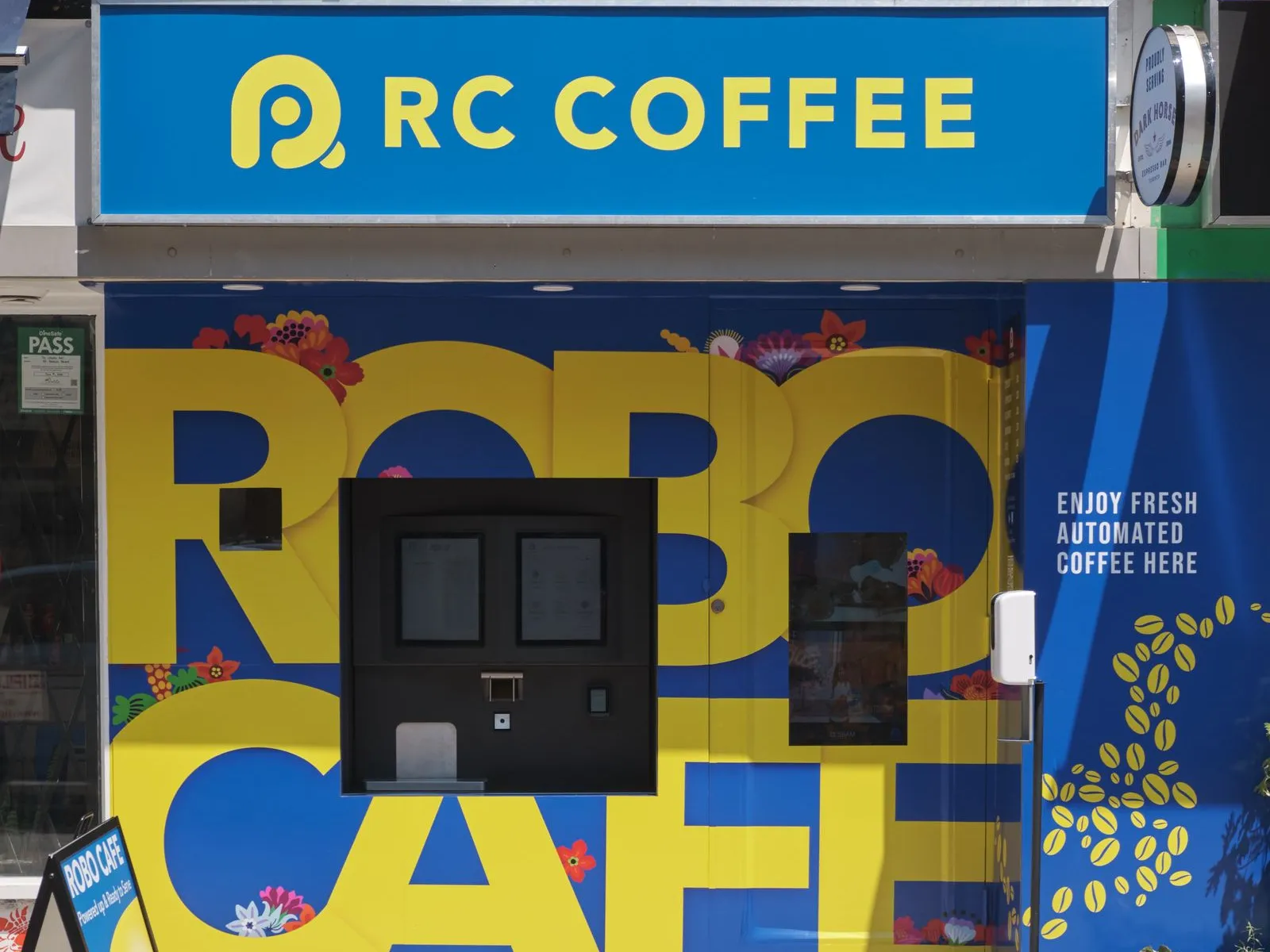
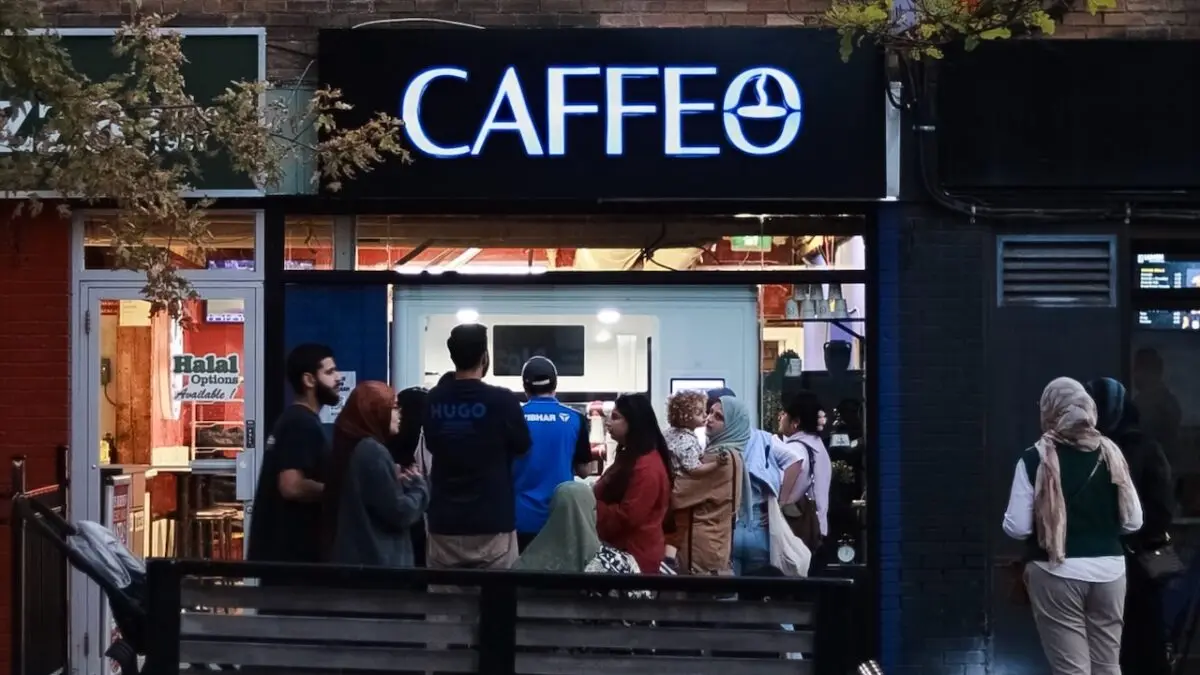
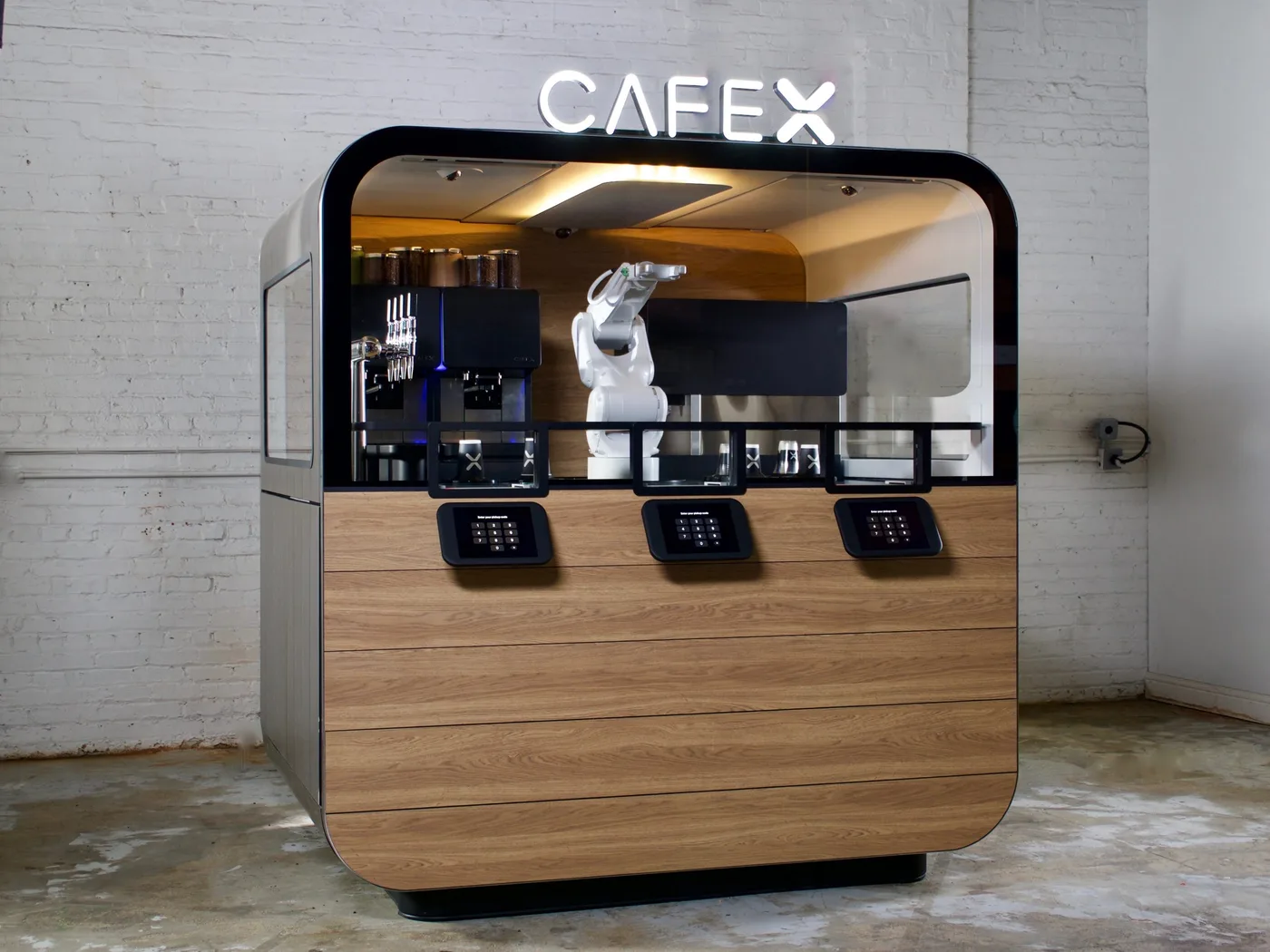
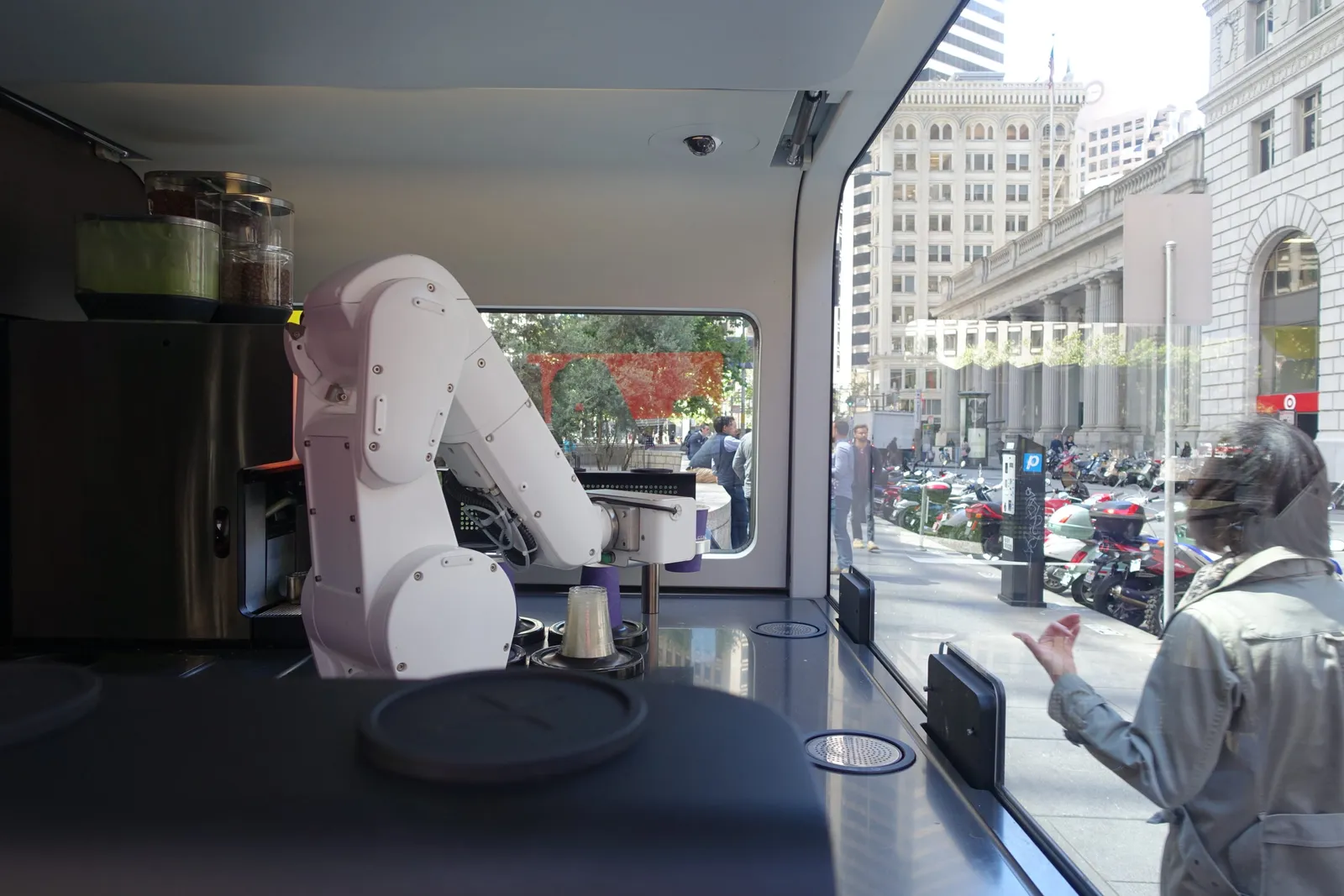
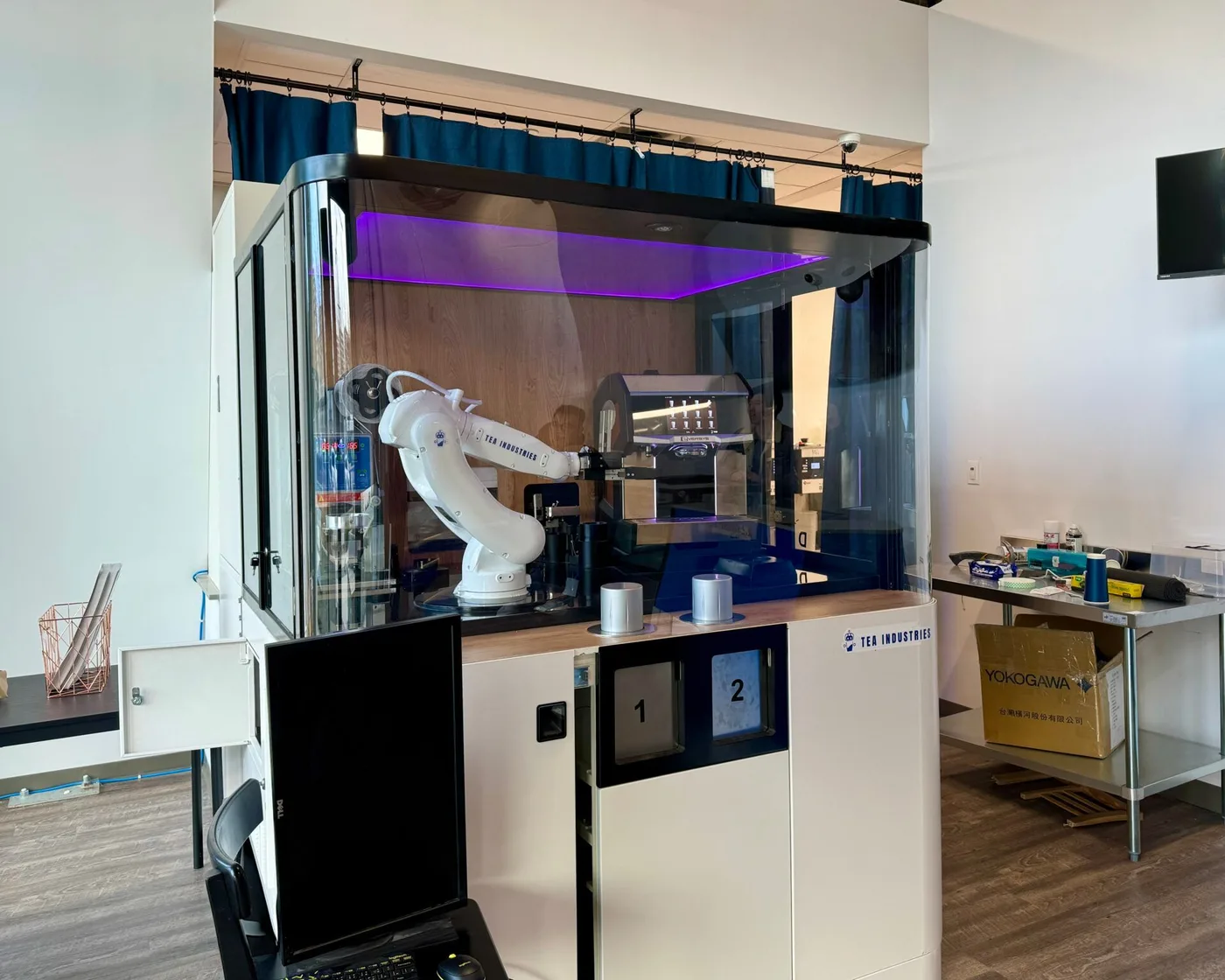
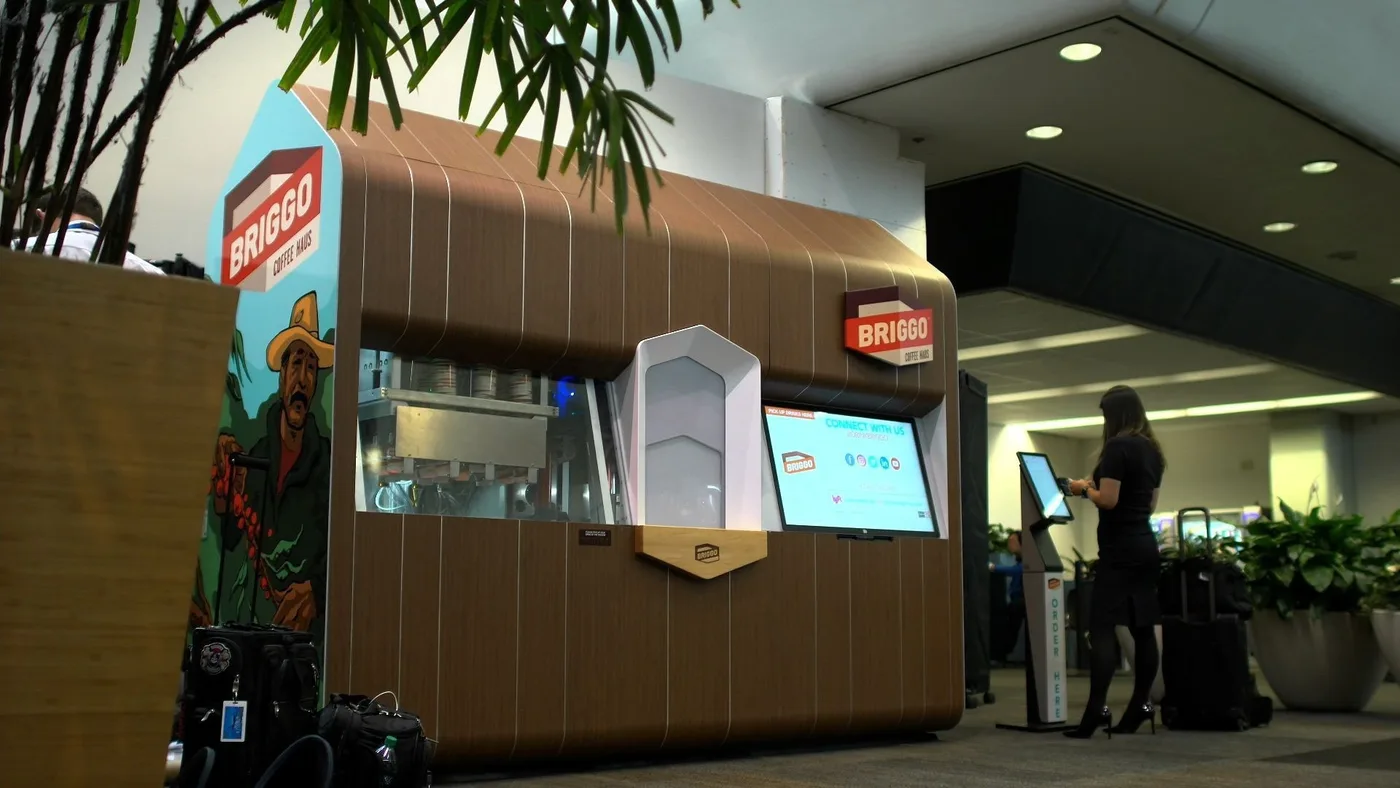
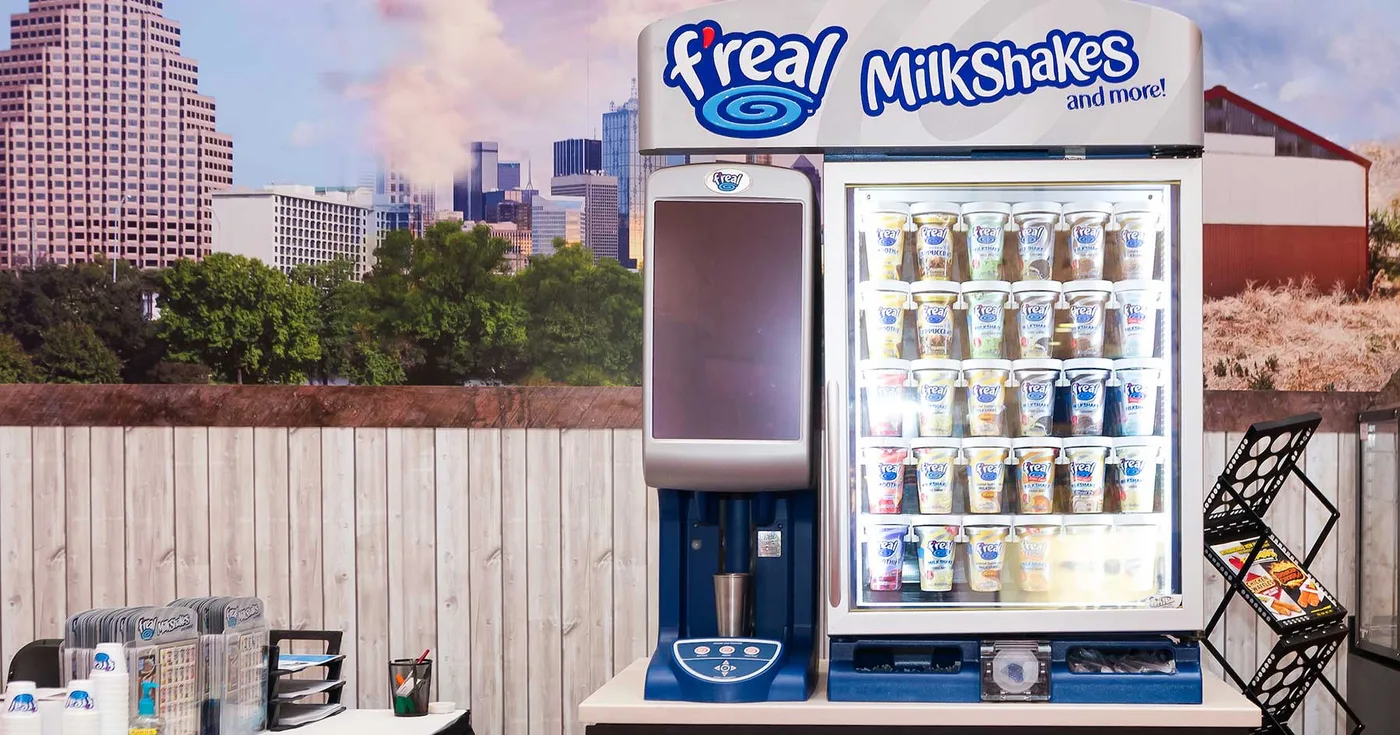
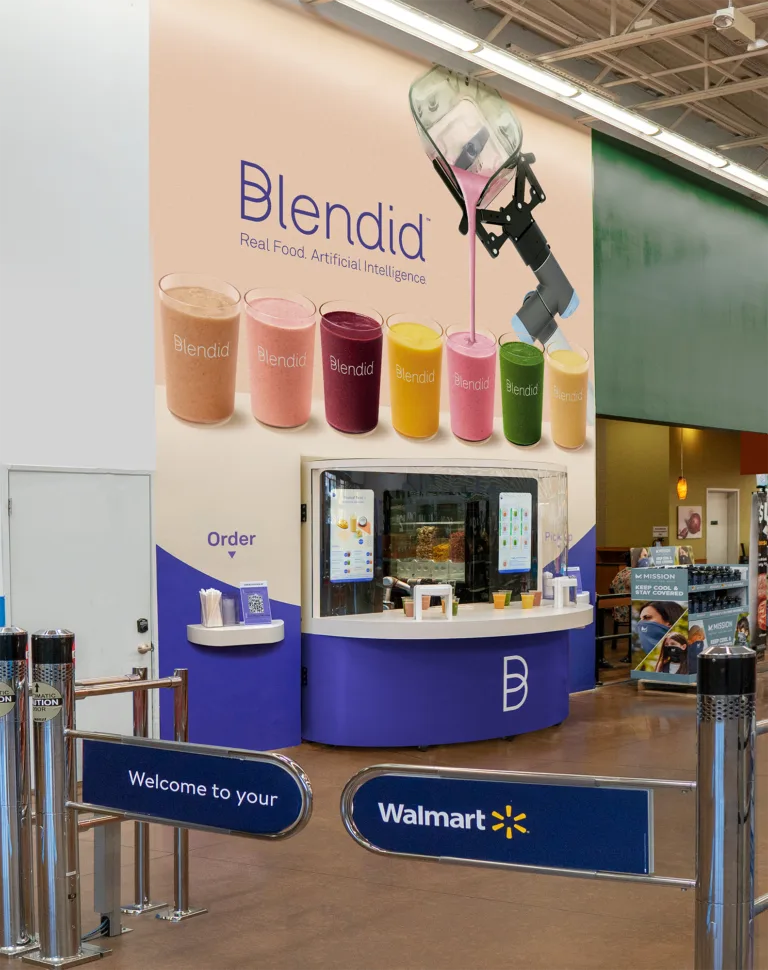
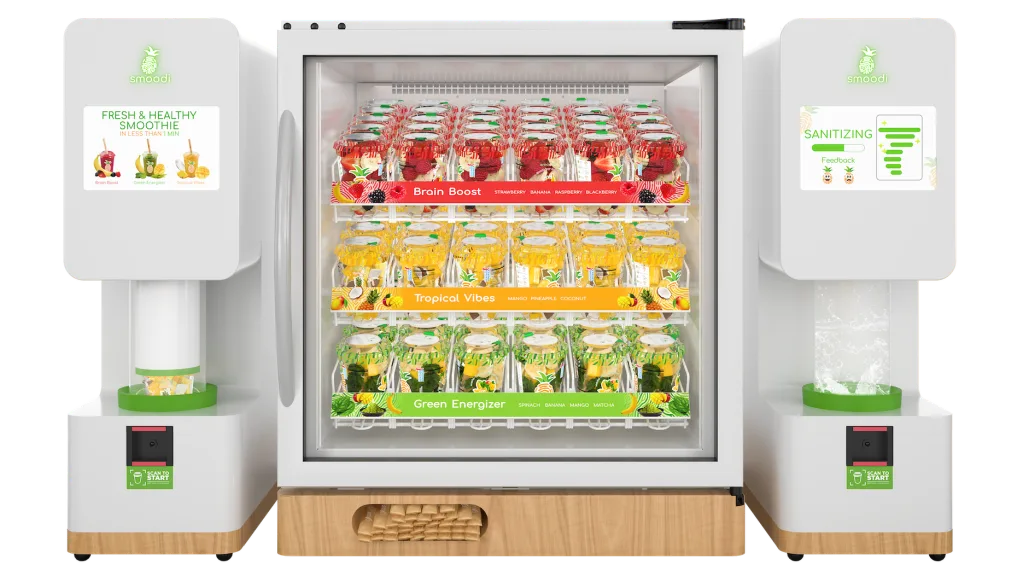
Unattended fresh-drink retail fails on demand per machine everywhere it has been measured, and the cost of proving otherwise exceeds the return available. Several far better-funded operators established that before this program began.
Verdict, in full: kill. The cost to prove this model, across prototyping, development, marketing and selling it, exceeds what it returns at any demand anyone has measured. The smallest real capital stack is about $26,000 and pays back in 2.2 to 3.3 years against a 24-month kill line, and it needs 12 cups a day to do it. The category’s one measured throughput figure is 6.8, from a mature unit in a captive indoor venue, at an operator whose disclosed economics are a venue service fee alongside the retail line rather than cup margin alone.
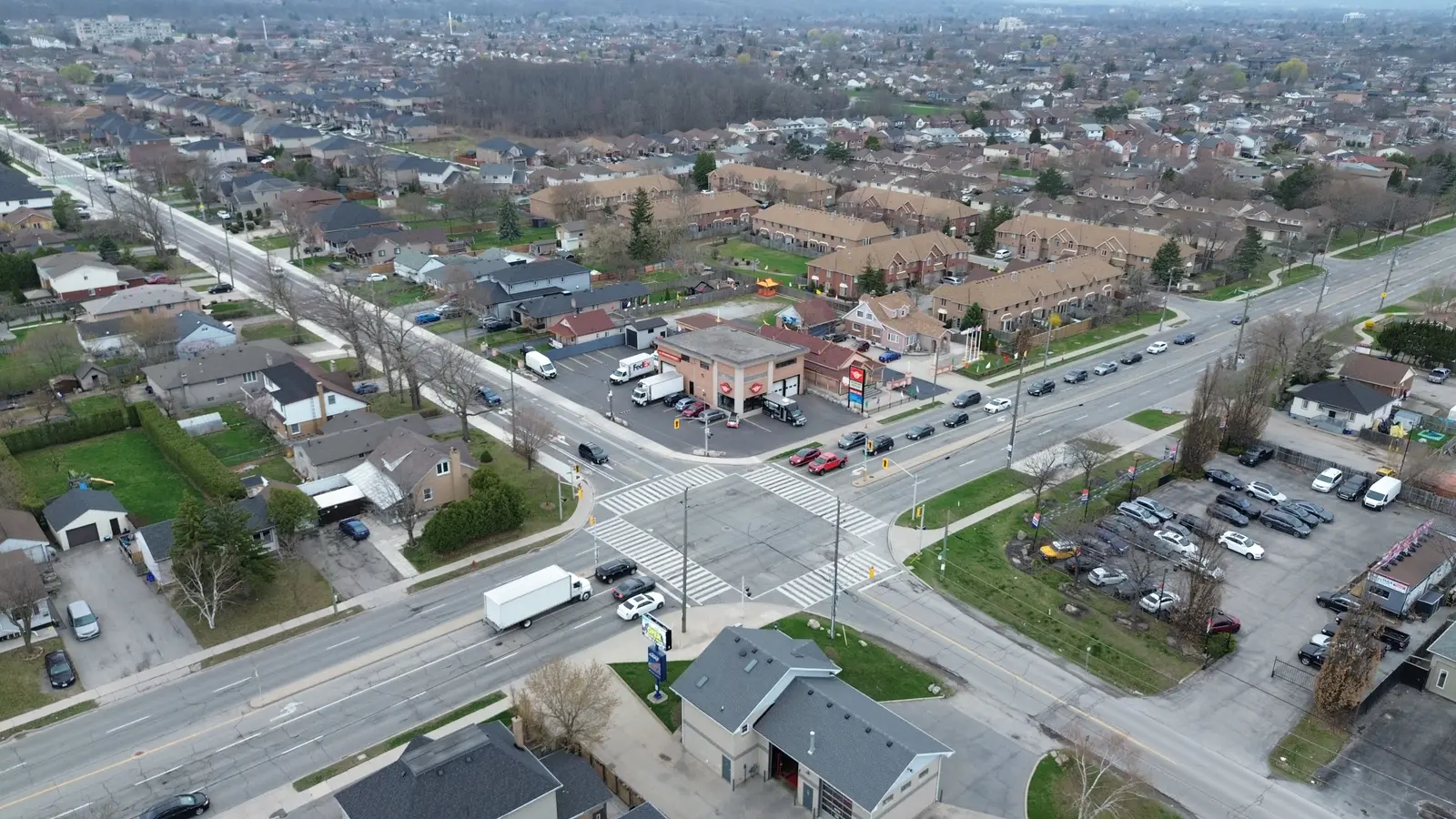
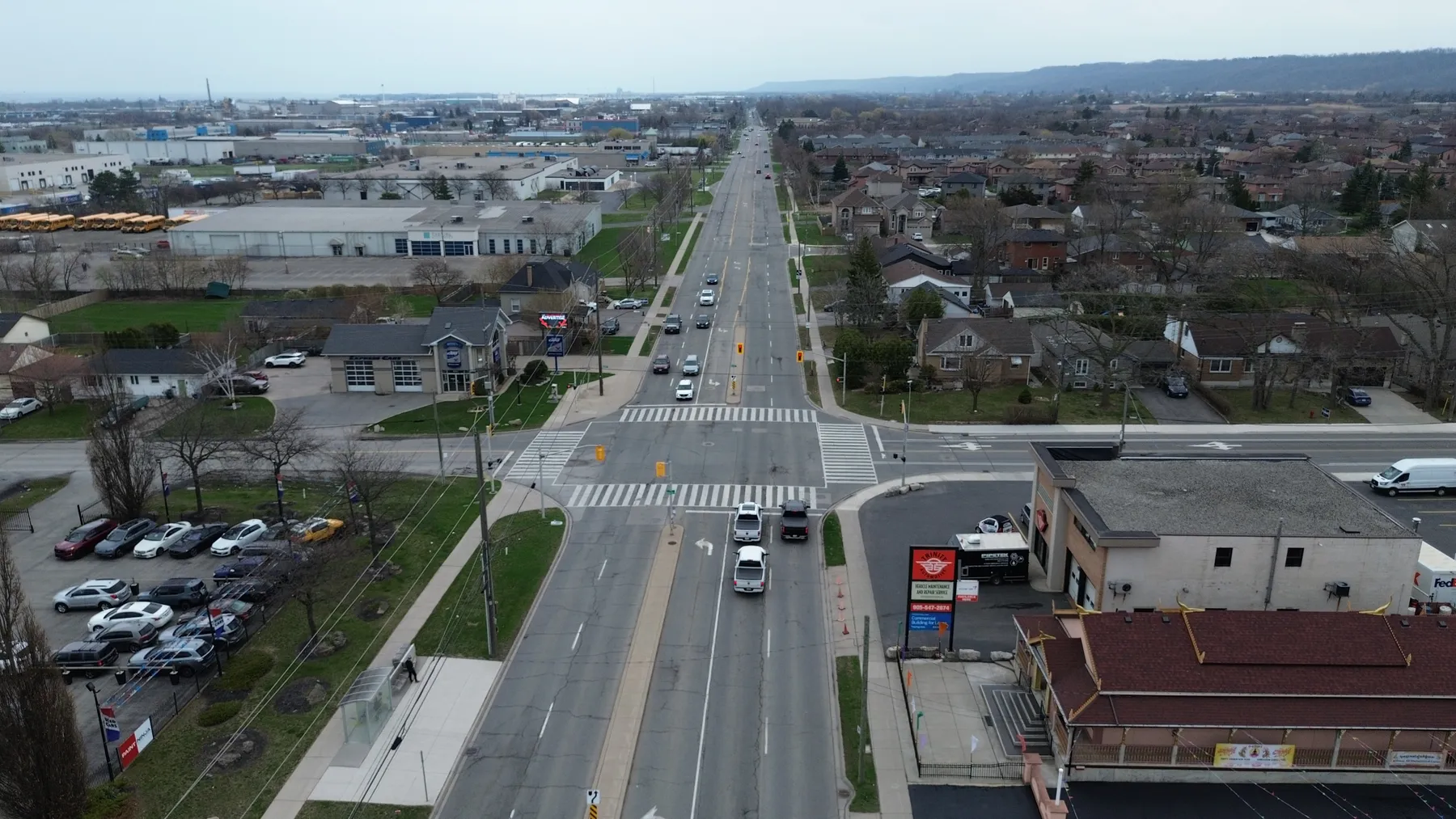
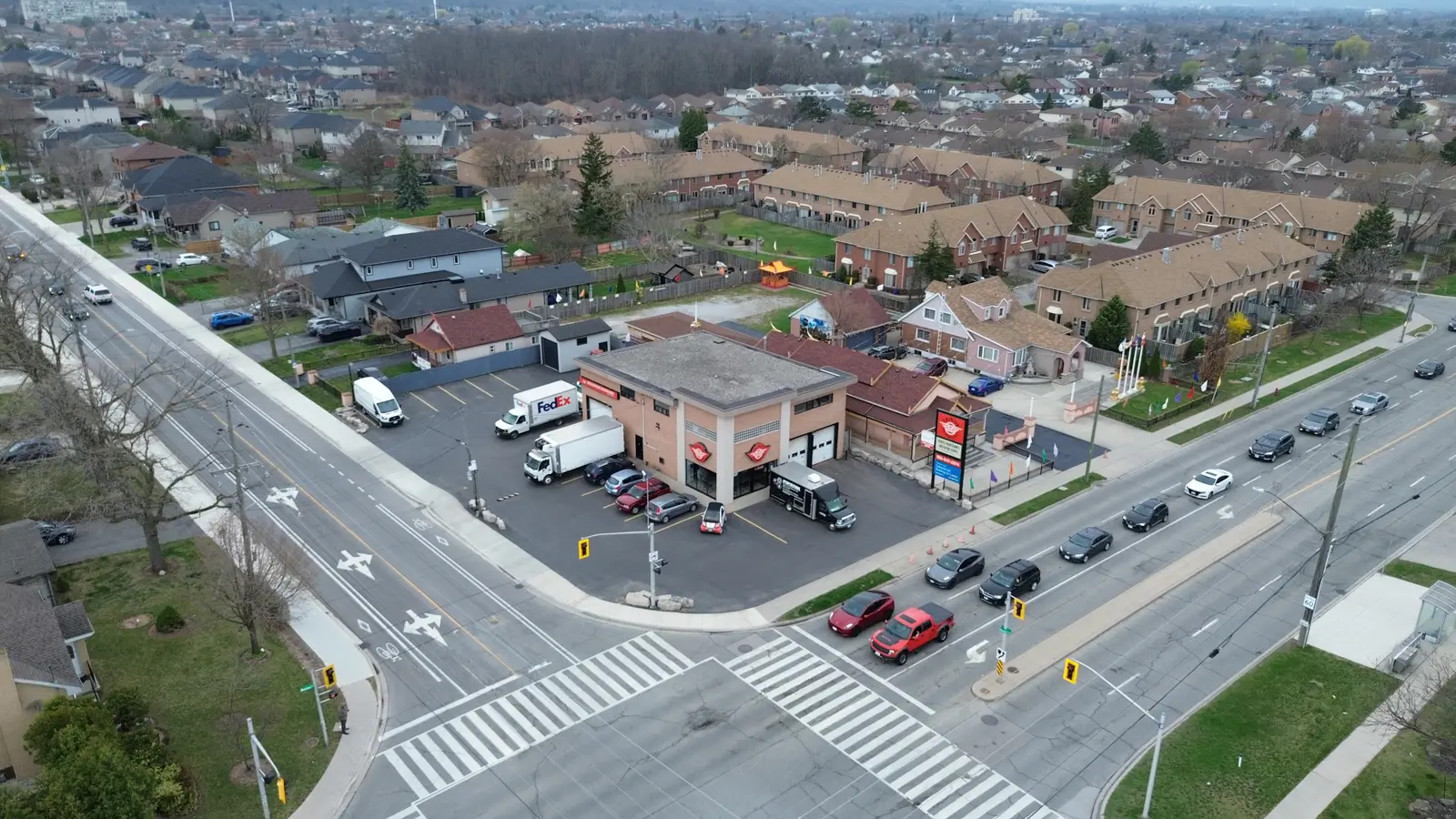
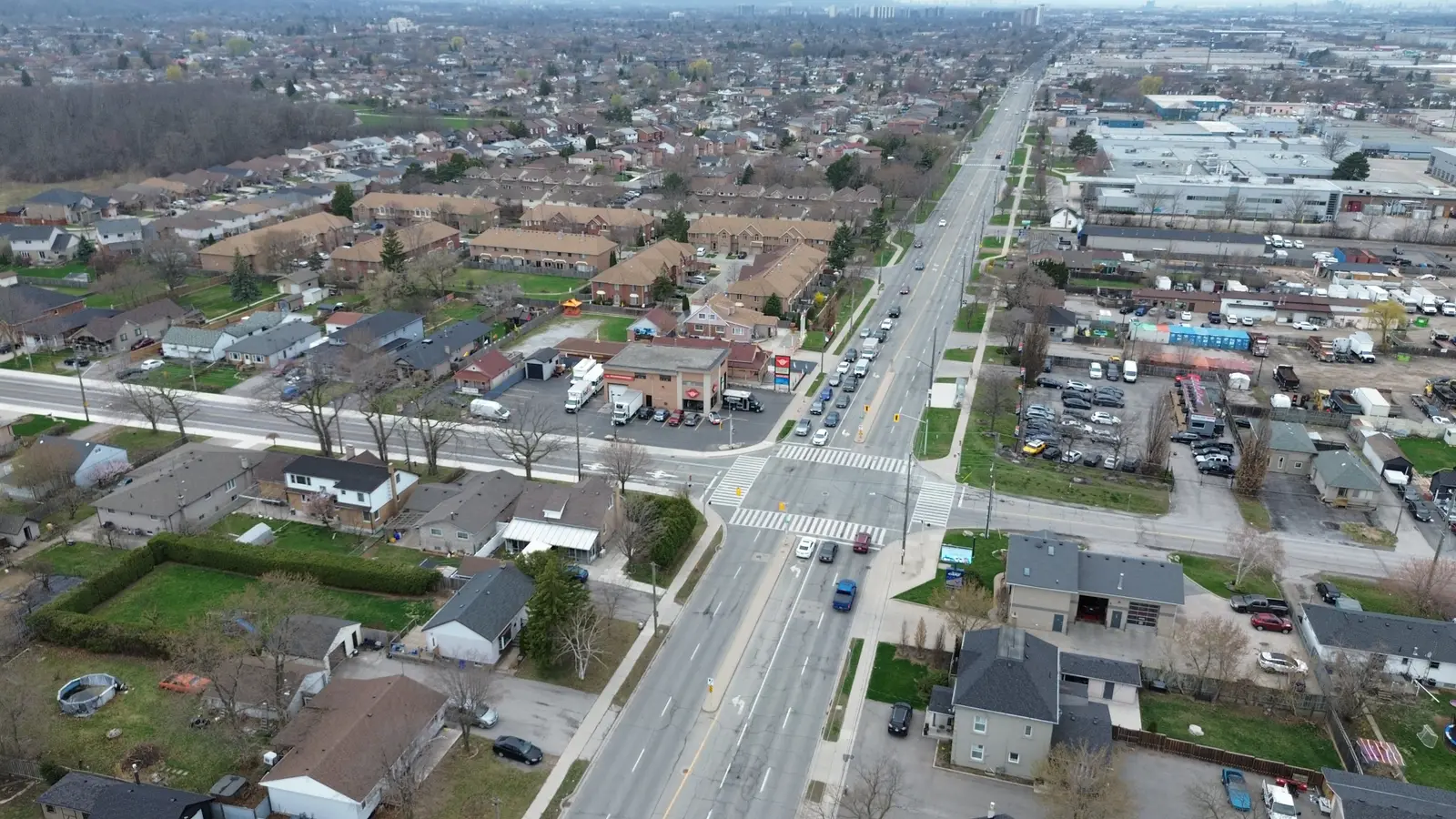
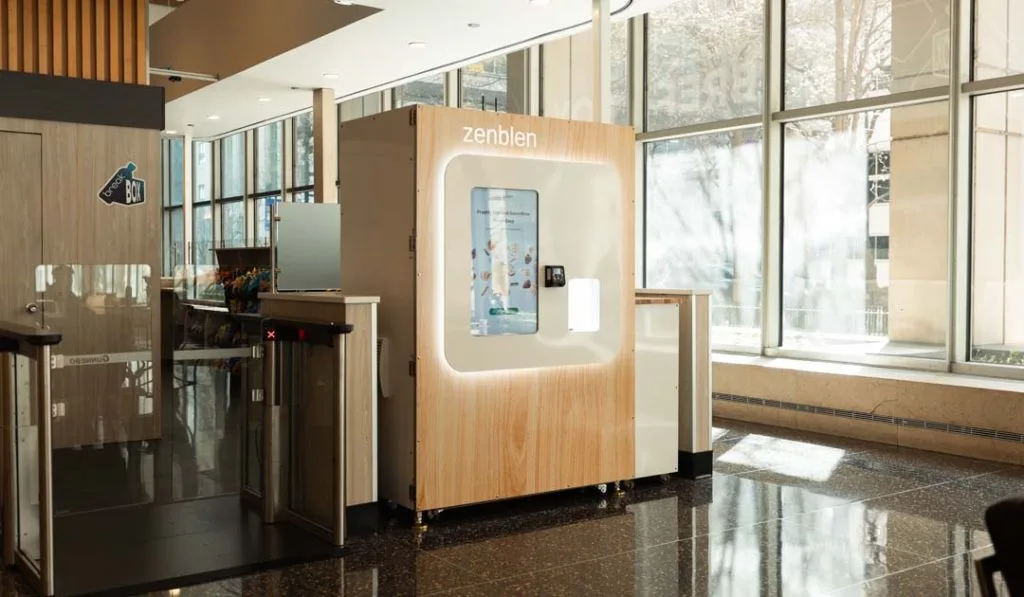
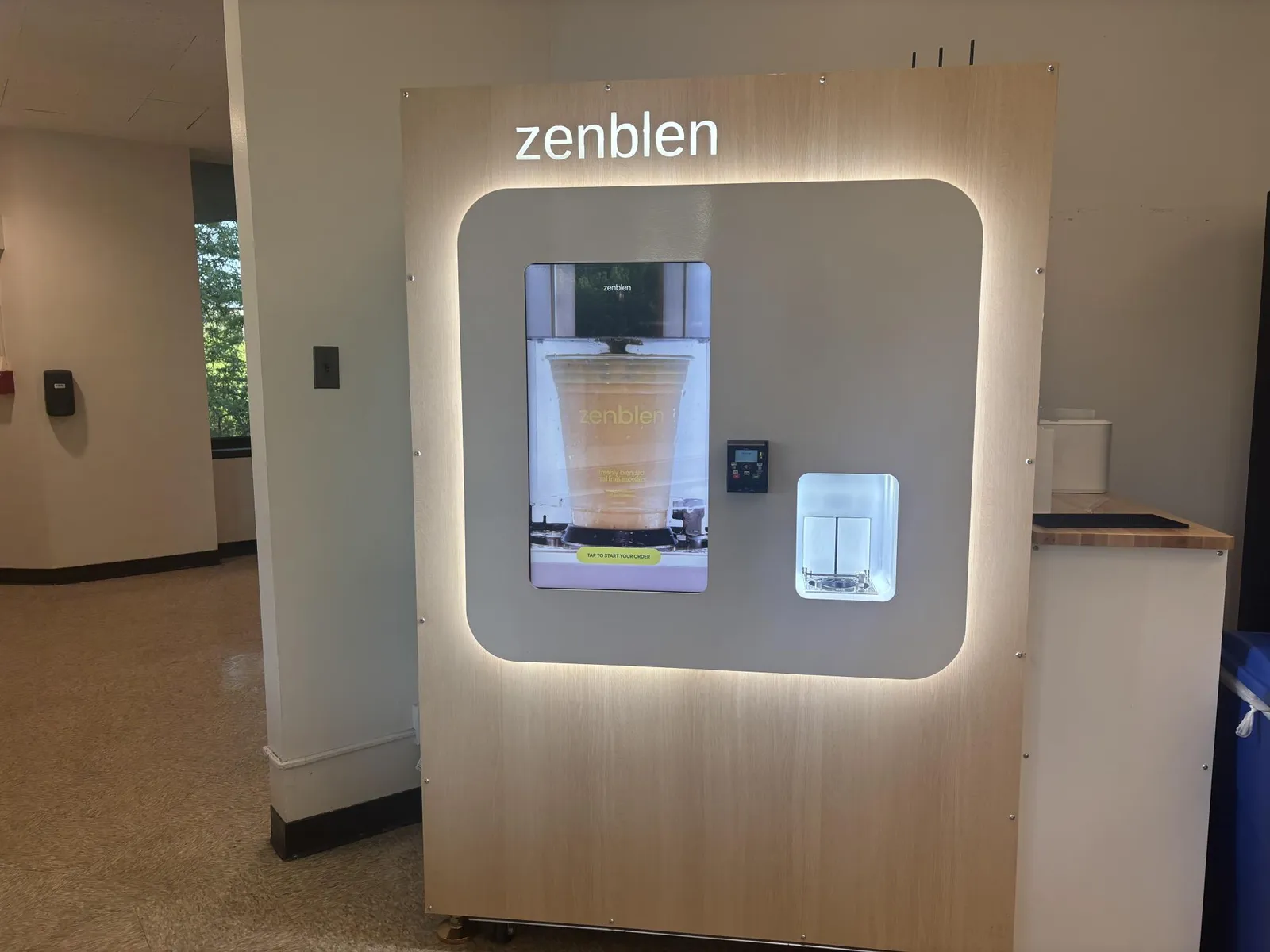
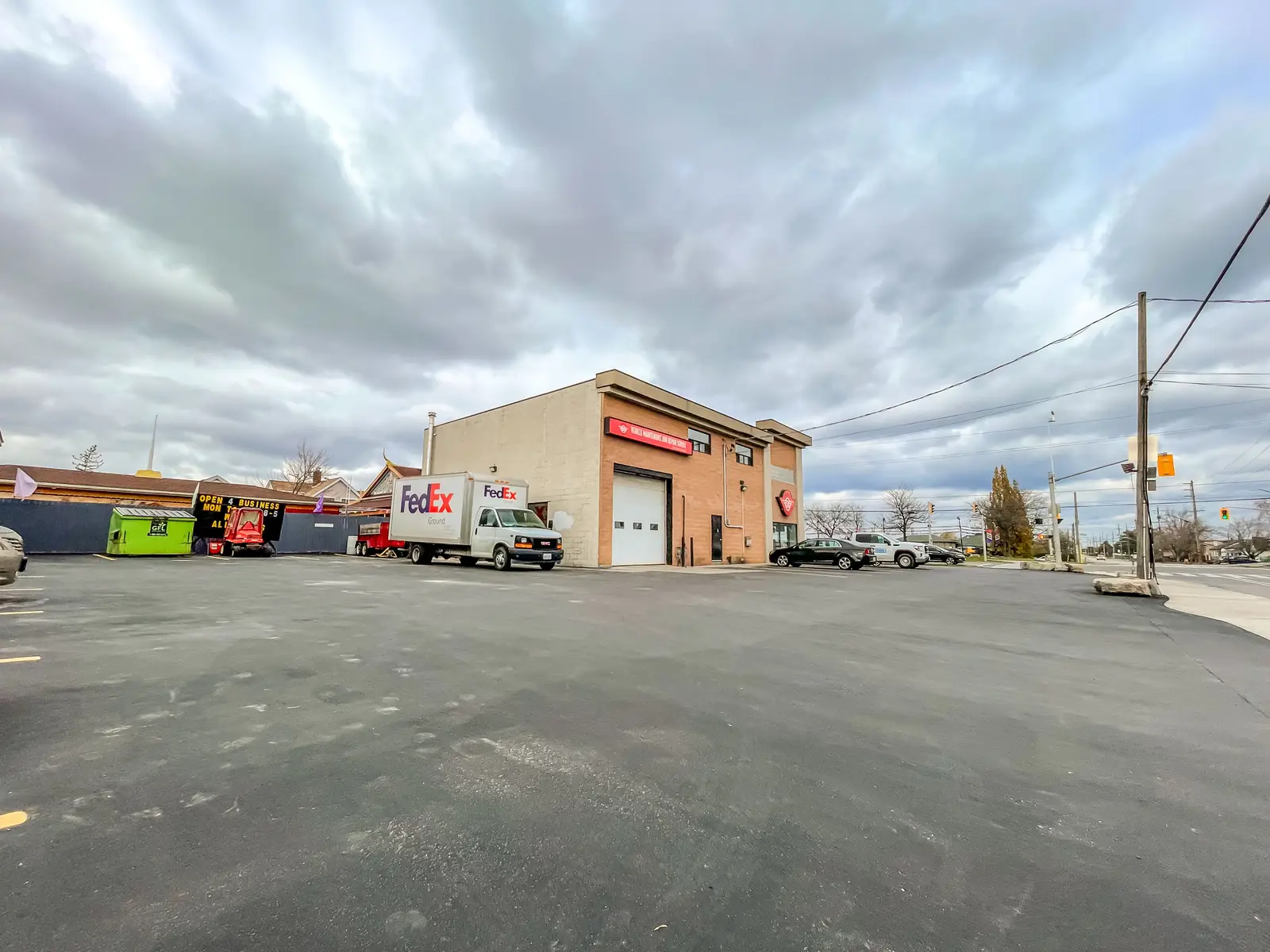
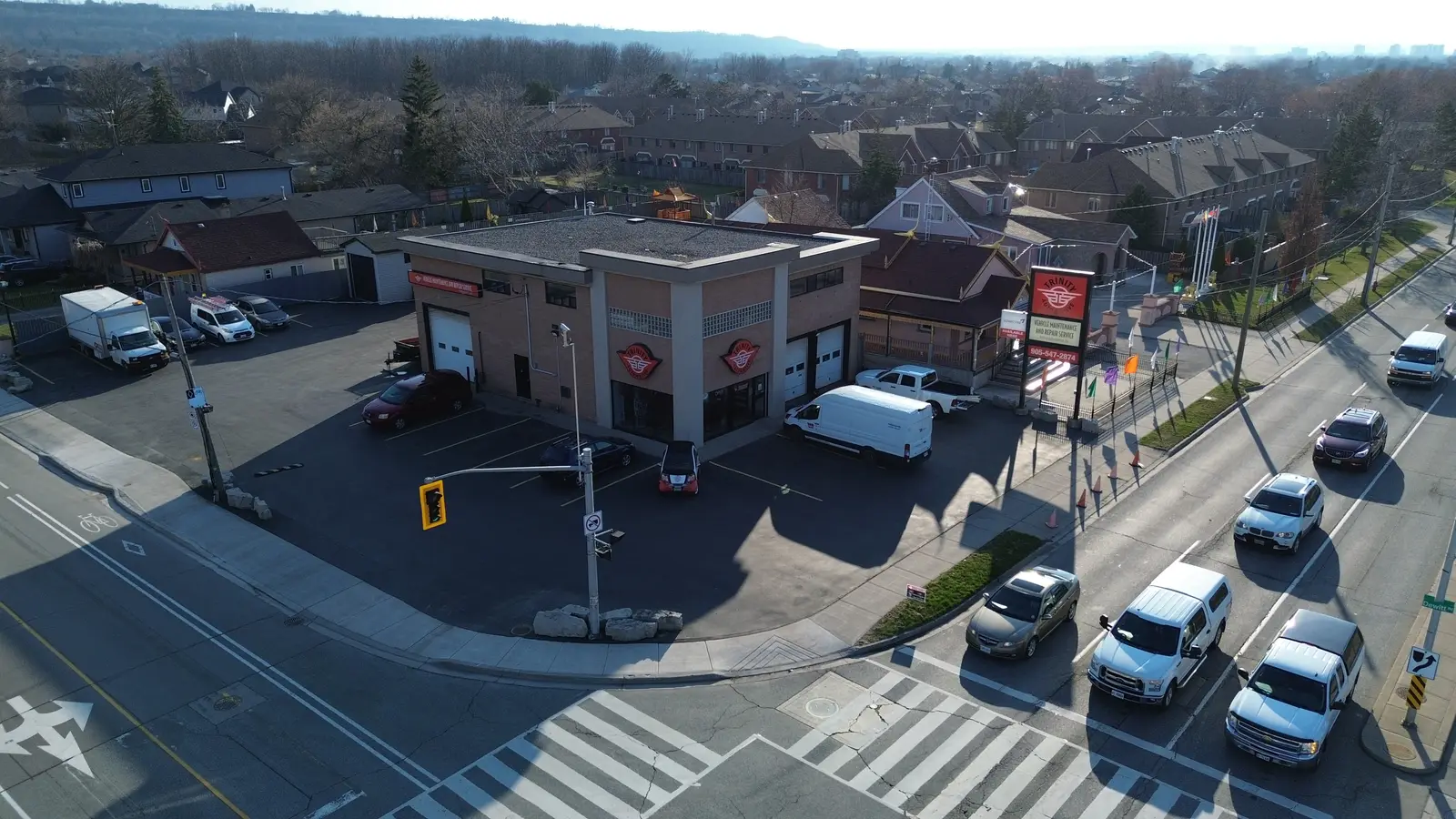
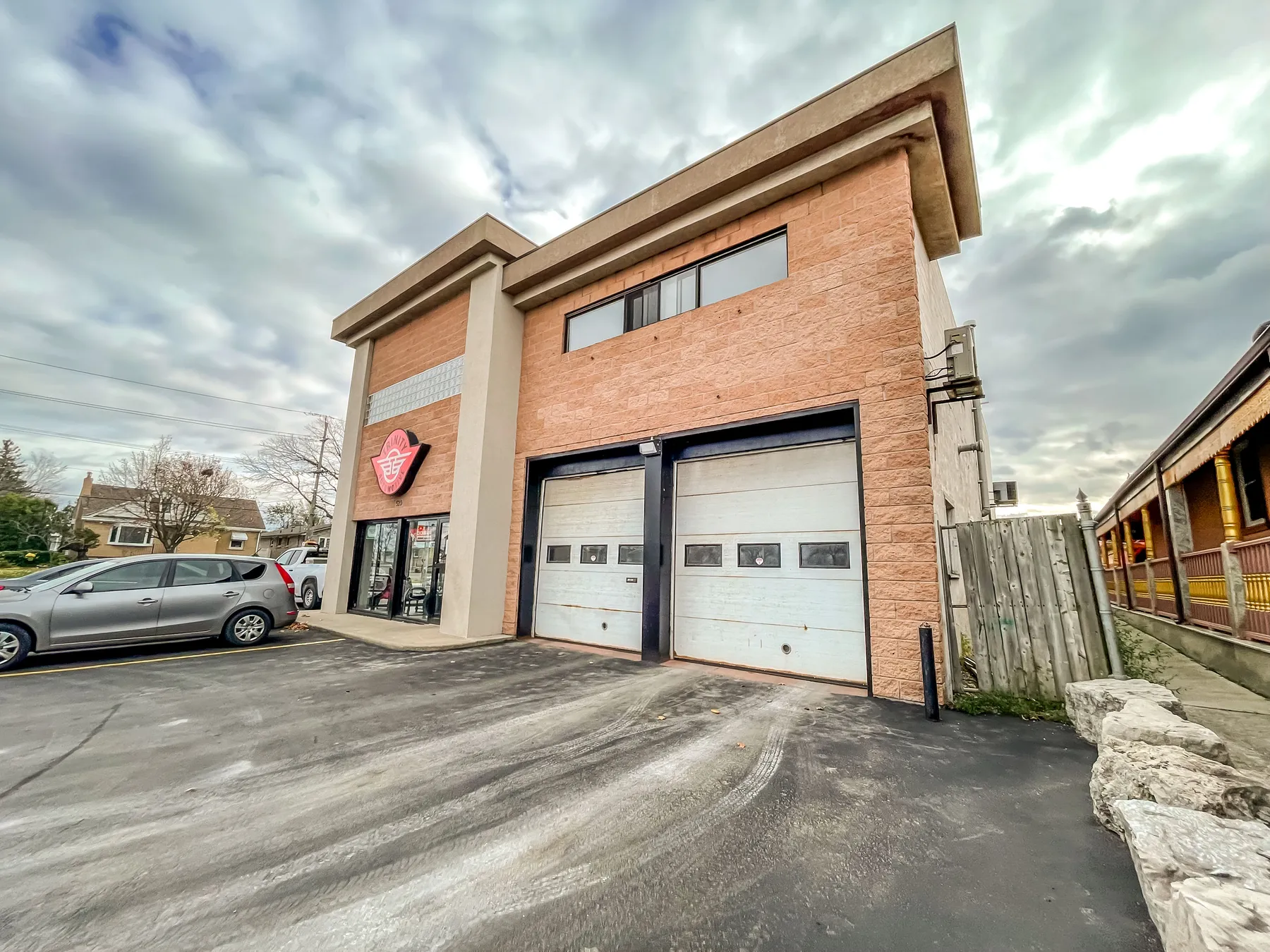
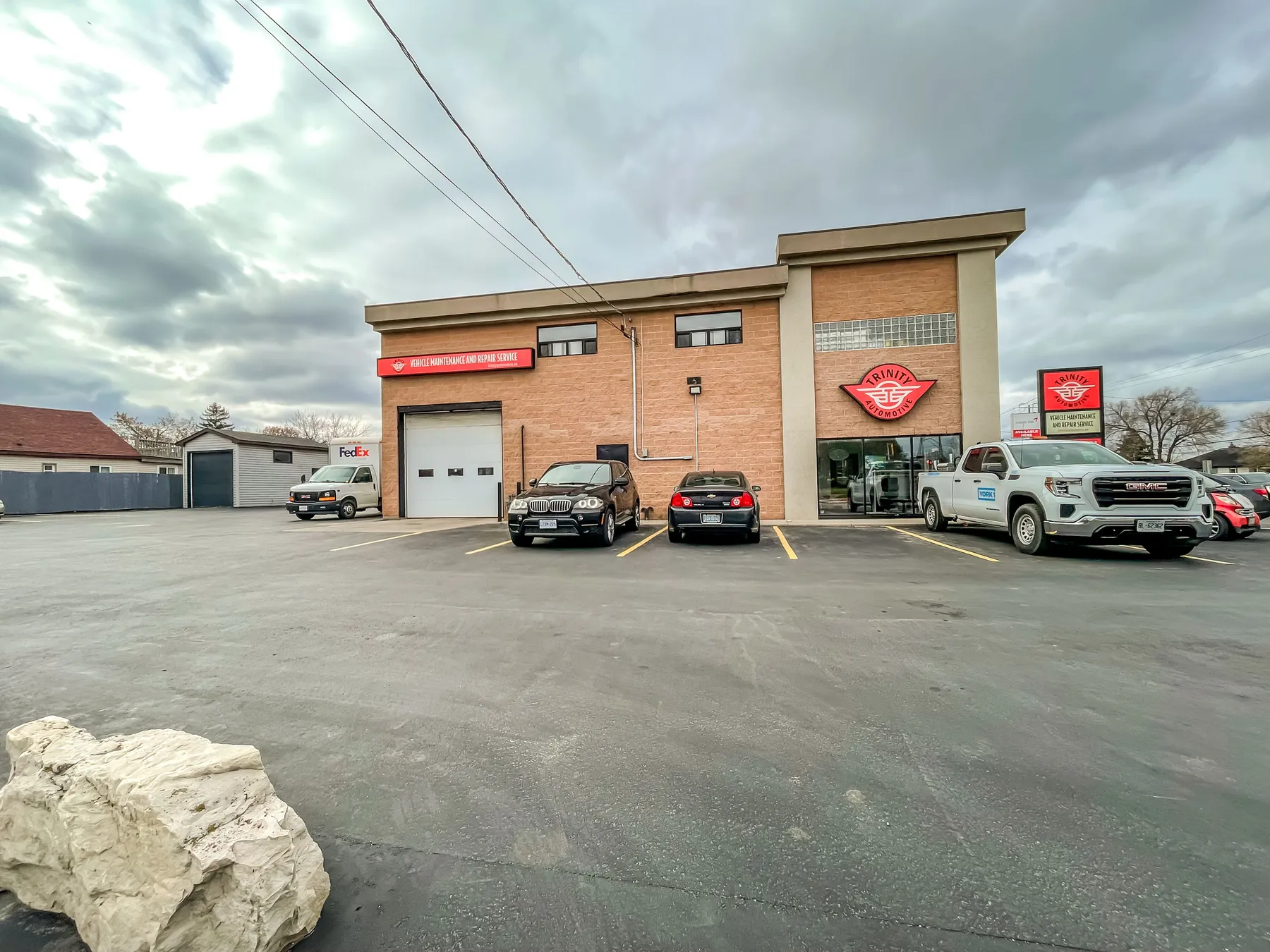
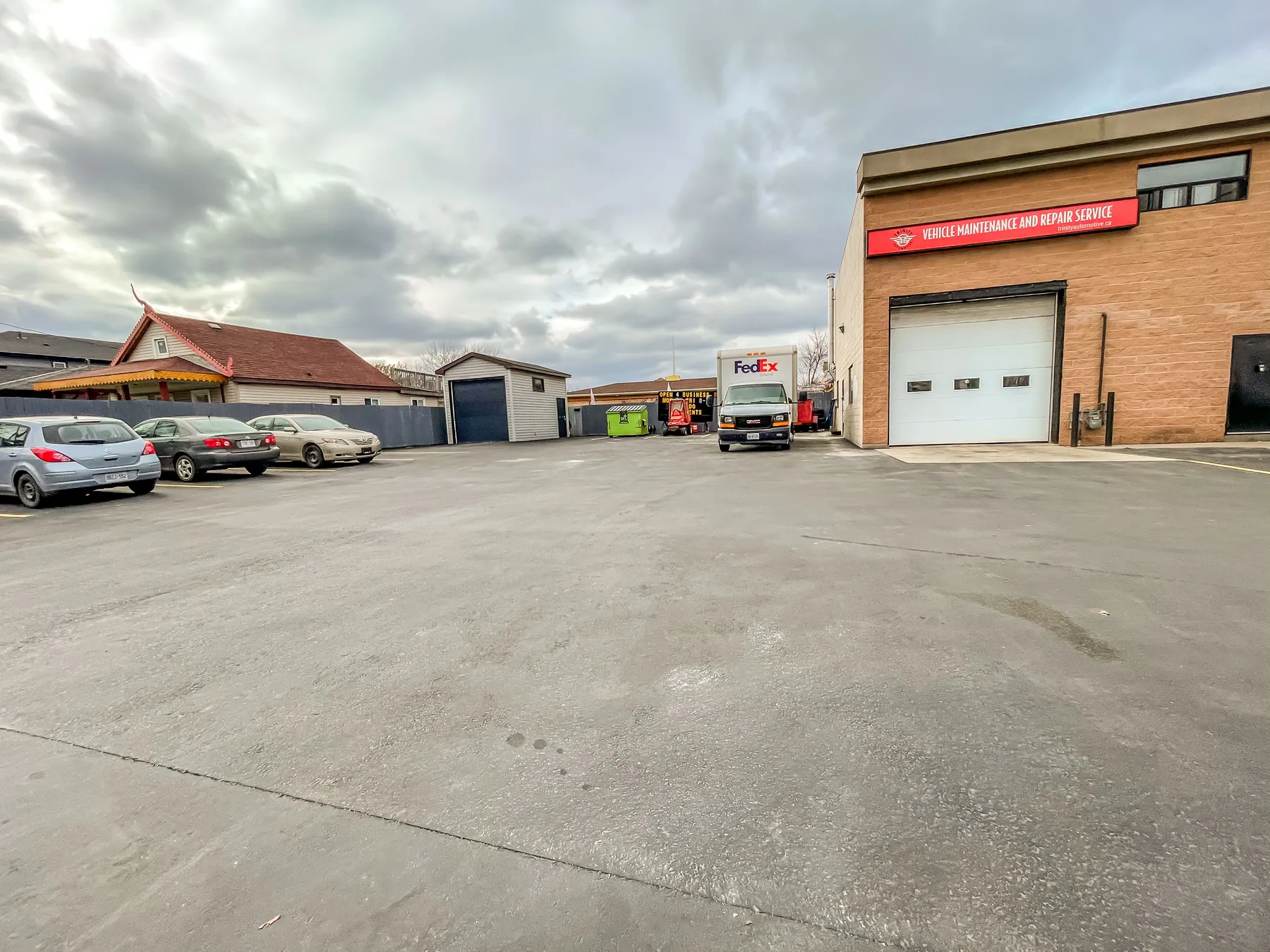
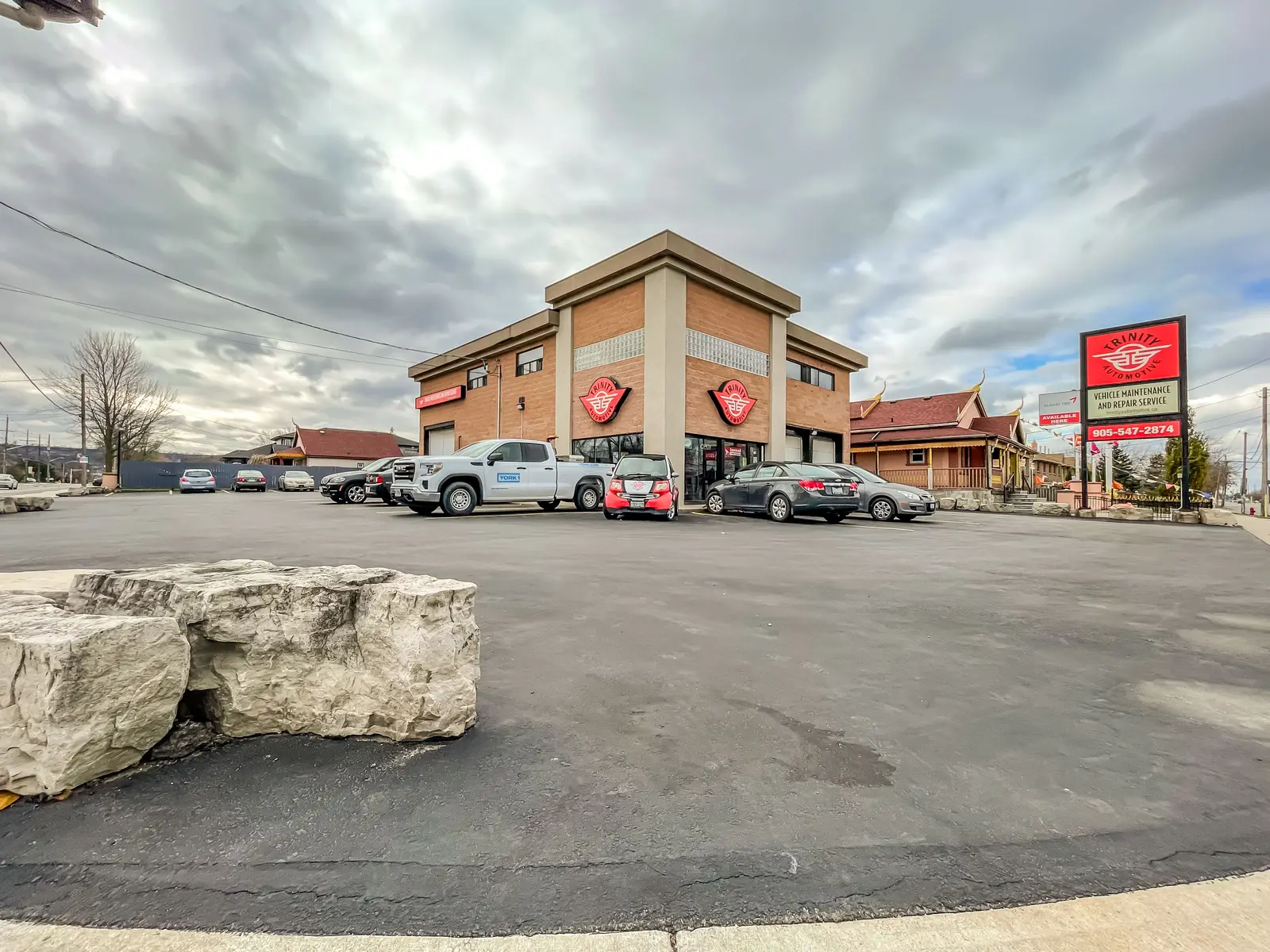
The category is contested and its distribution is owned: the leader’s placement runs on the vending industry’s existing procurement rails, the region already carries operators, and the better-funded entrants ran this experiment first and lost. The site is not the reason. Its exposure is real and independently priced, its zoning is permissive, and the rear structure’s walk-up cap is a bound on one 240 square foot building that the owner side had the standing to engineer around. The viable expressions of the work are venue-placed units, on the service-fee economics the category actually runs on, and the platform itself.
How it closed
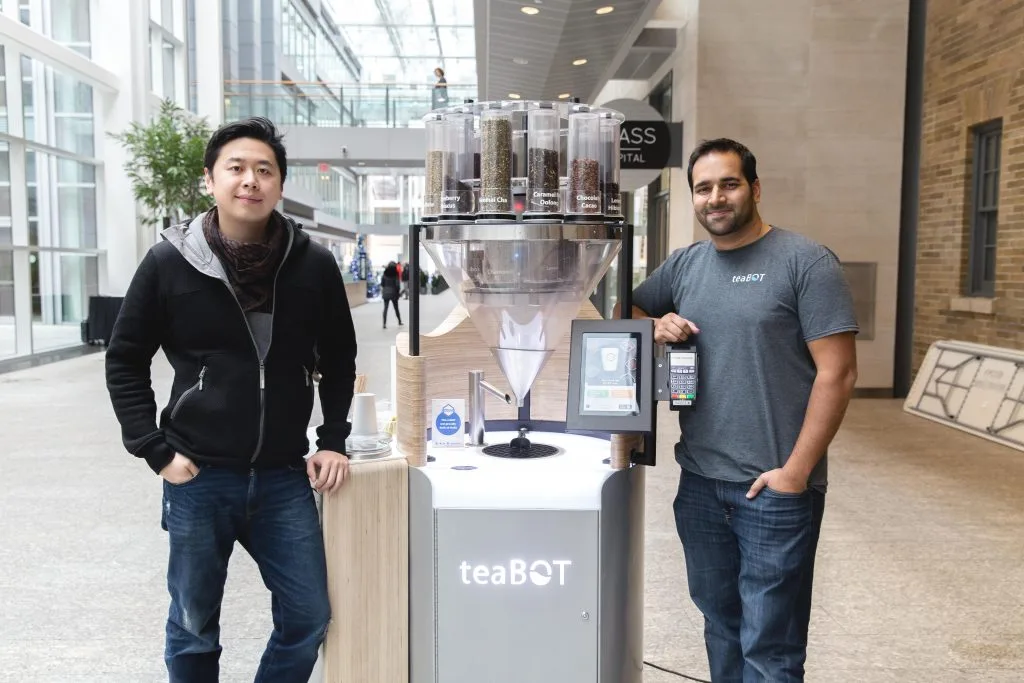
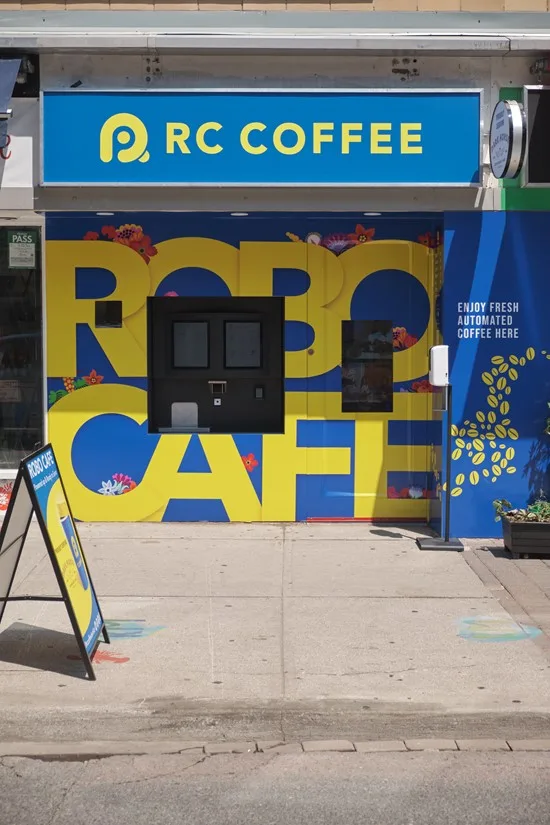
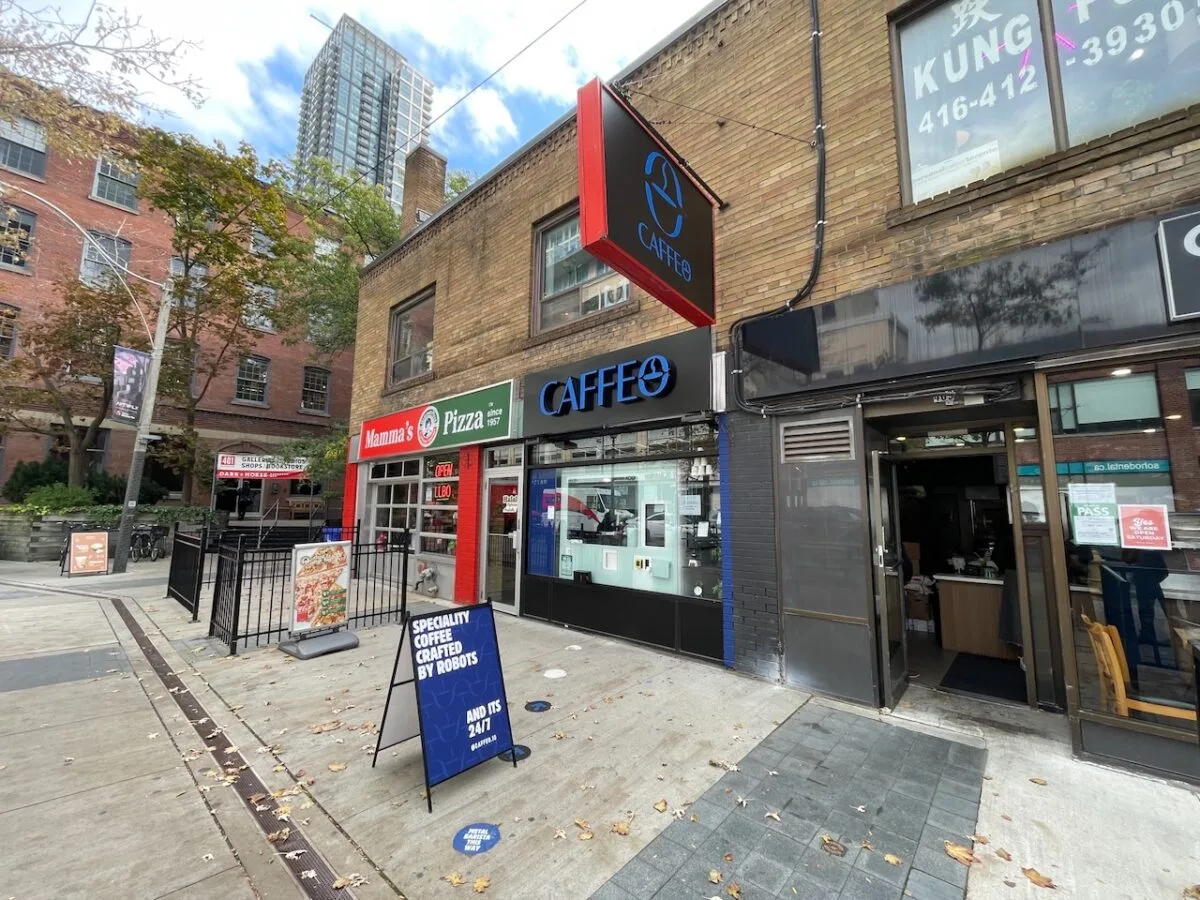
Each concept in chapter 02 died against a named criterion or a falsified premise, and the evidence that closed the remainder was public and free the whole time. The category’s own record had already been written by operators with more money: Appendix D holds the roster. An entrant that raised US$19 million, an order of magnitude more than this program would ever commit, was acquired by a beverage incumbent and had its format wound down. A US$3.5 million crowdfunded entrant closed without ever advancing past prototypes and trade-show demos; its closure statement blamed the difficulty of securing resources for development and regulatory compliance. A robot bubble-tea shop opened in March 2024 and closed quietly in 2025. The demand ceiling of chapter 03 and the capital arithmetic of chapter 07 then said the same thing in this program’s own numbers, and the program’s principal closed all venue exploration the same day the last reuse was falsified. The circulation finding of chapter 08 landed the same week; it caps one structure, and it moved none of the arithmetic.
Venue capital consumed by the 76-day program: approximately zero. Nothing physical was bought for the structure, no permit was filed, no machine was ordered. The spend was bench hardware and domain renewals.
What transfers
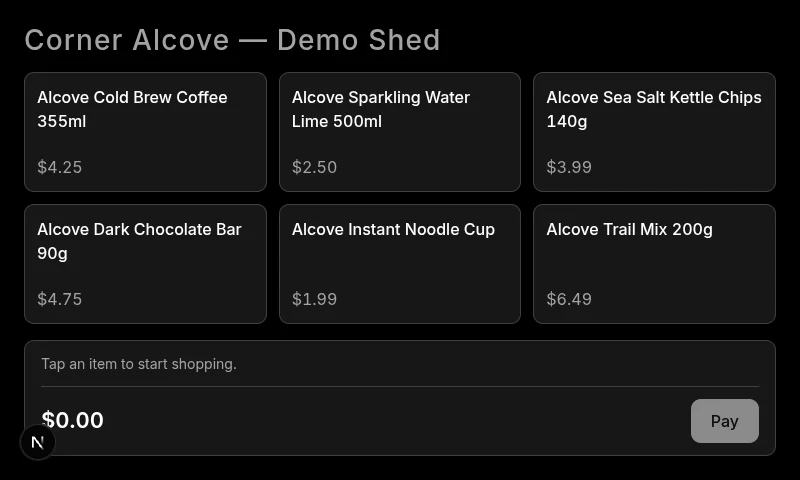
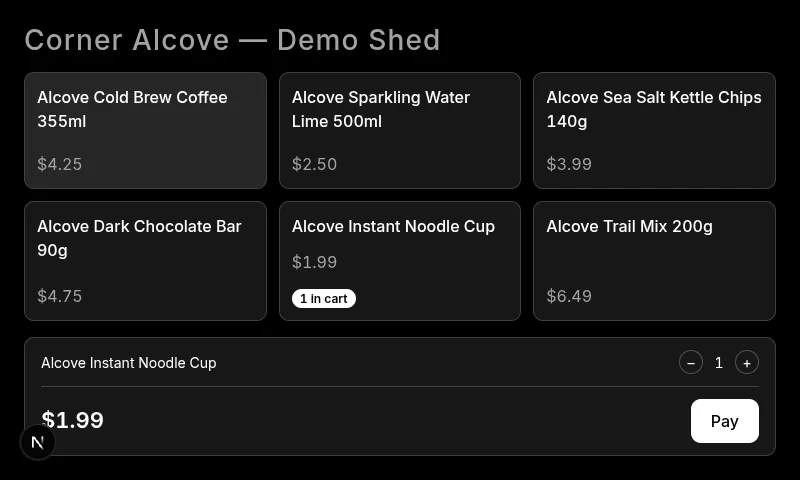
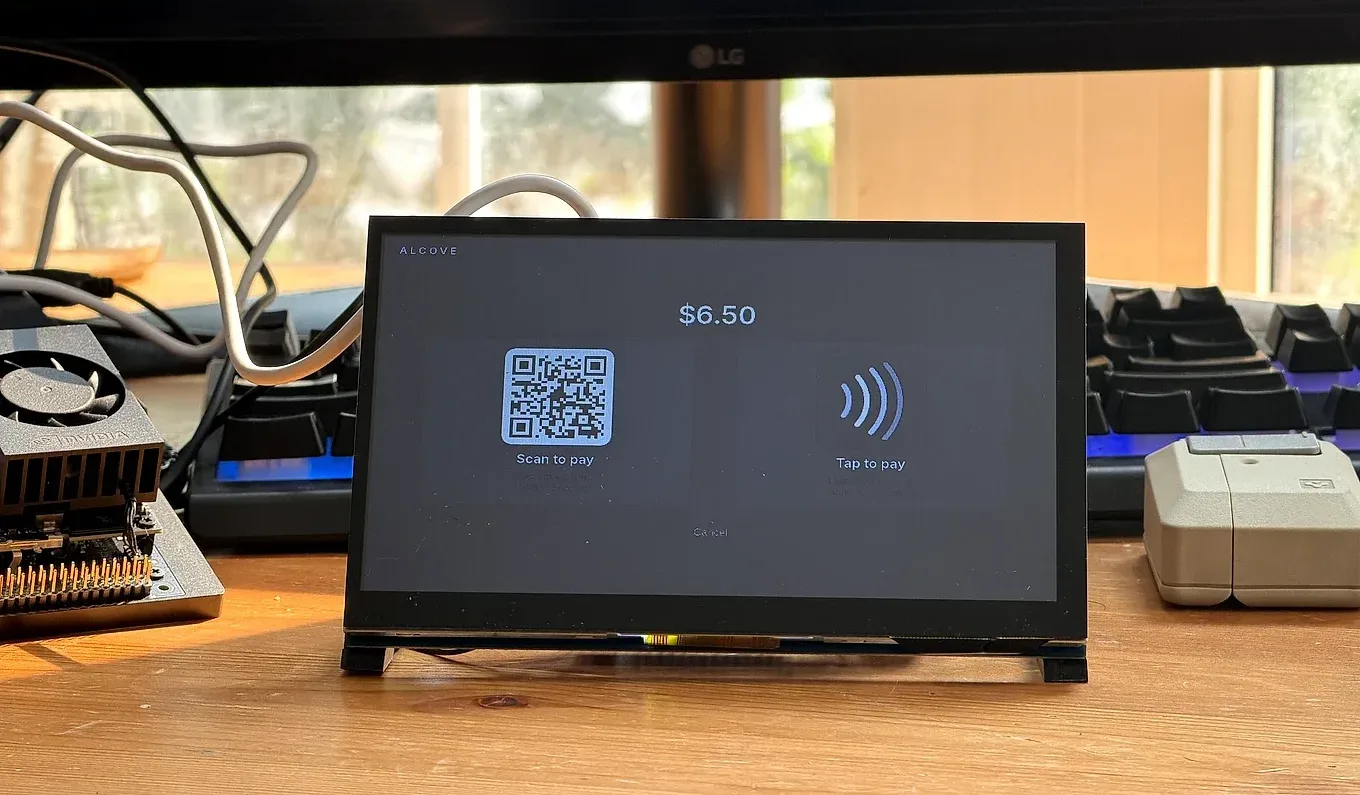
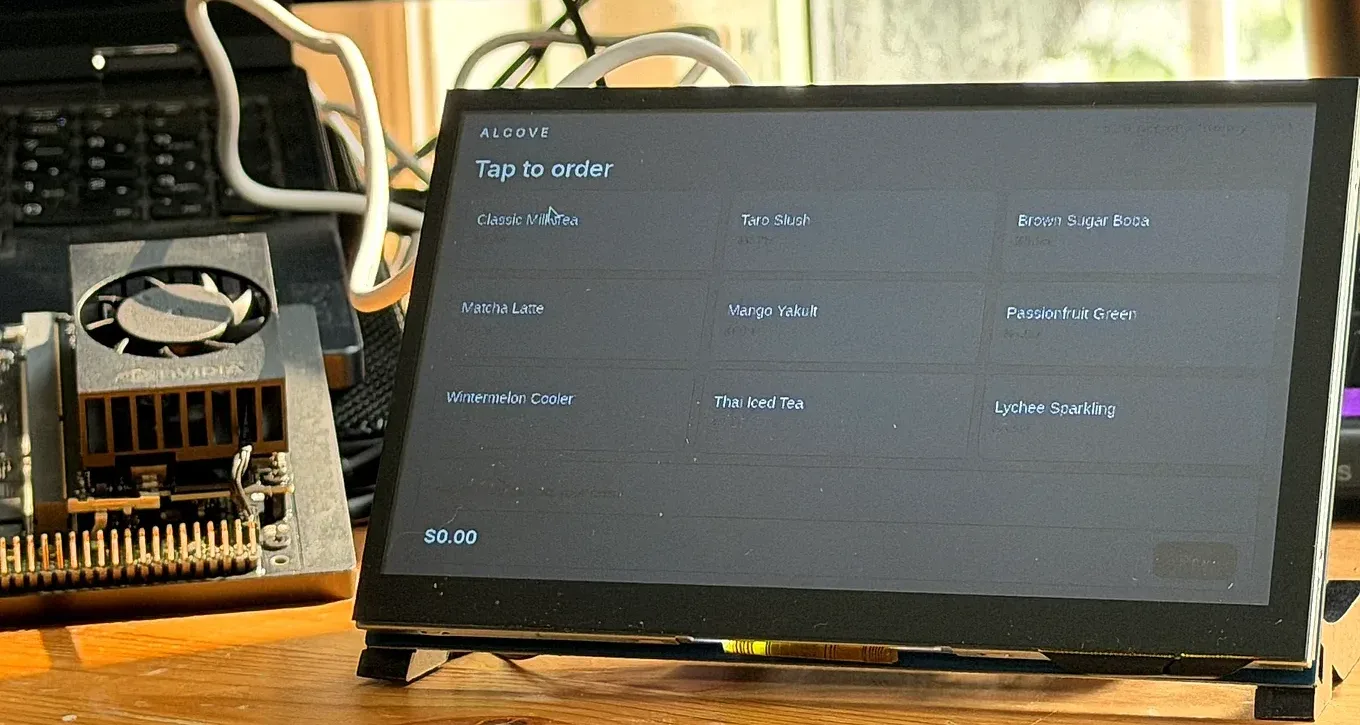
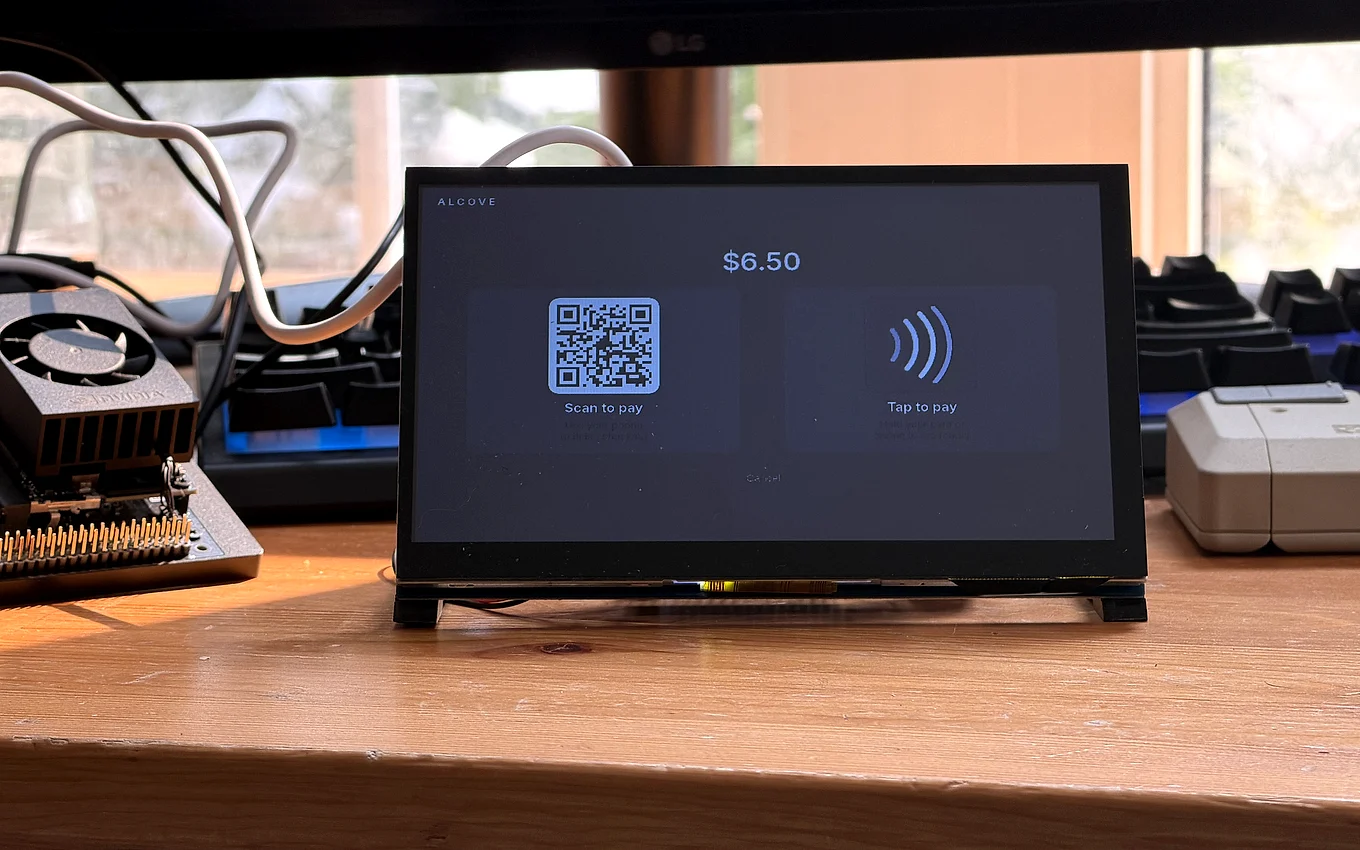
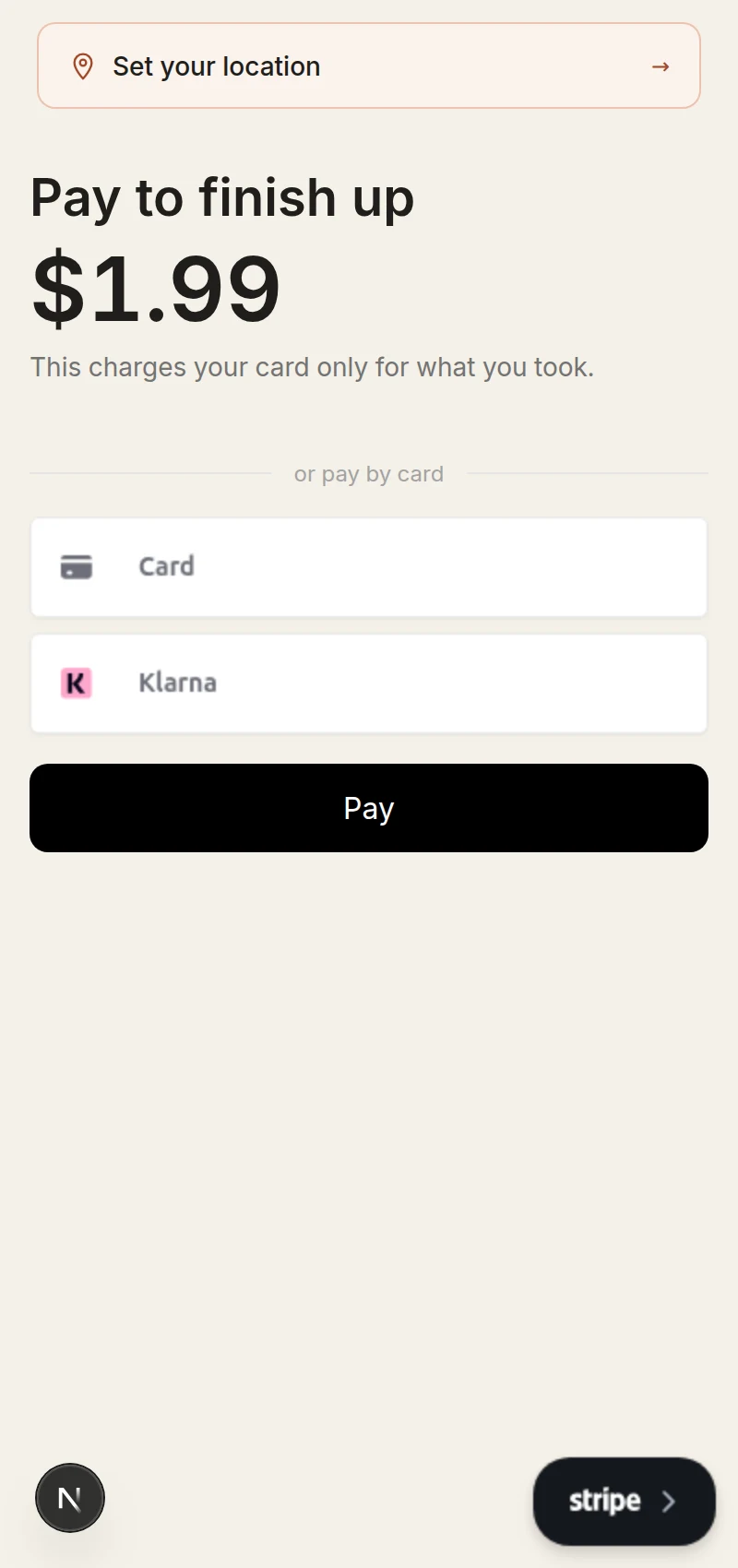
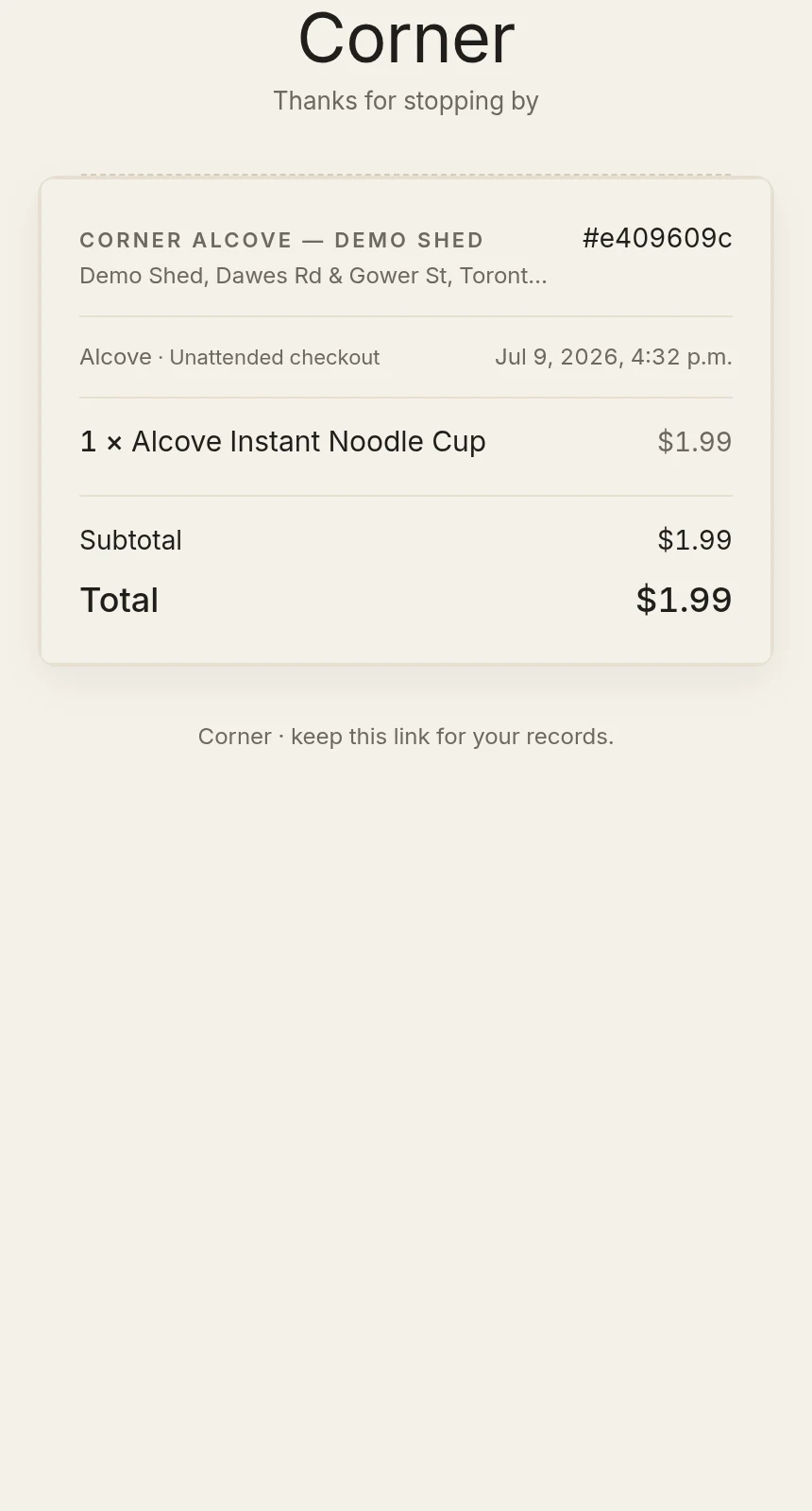
The platform. A production payments and inventory system with four money paths, idempotent state machines, reconciliation convergence, receipts, and a 71-check adversarial test record; it charged and refunded a live purchase on production rails. It is venue-independent by construction.
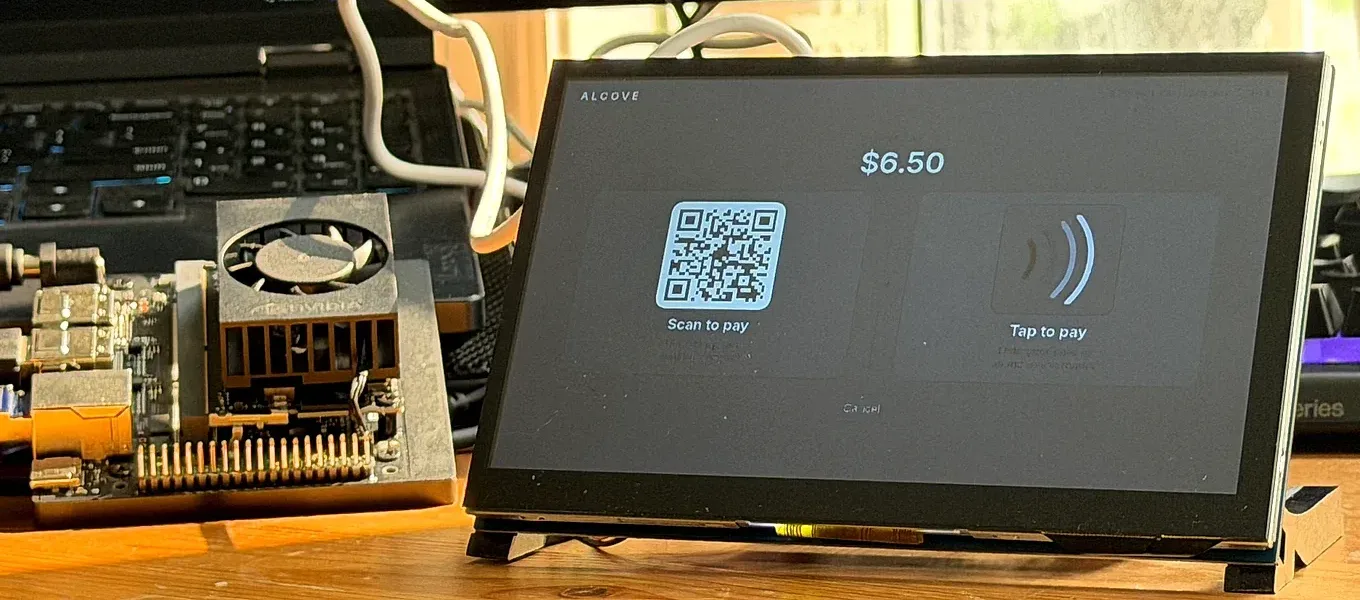
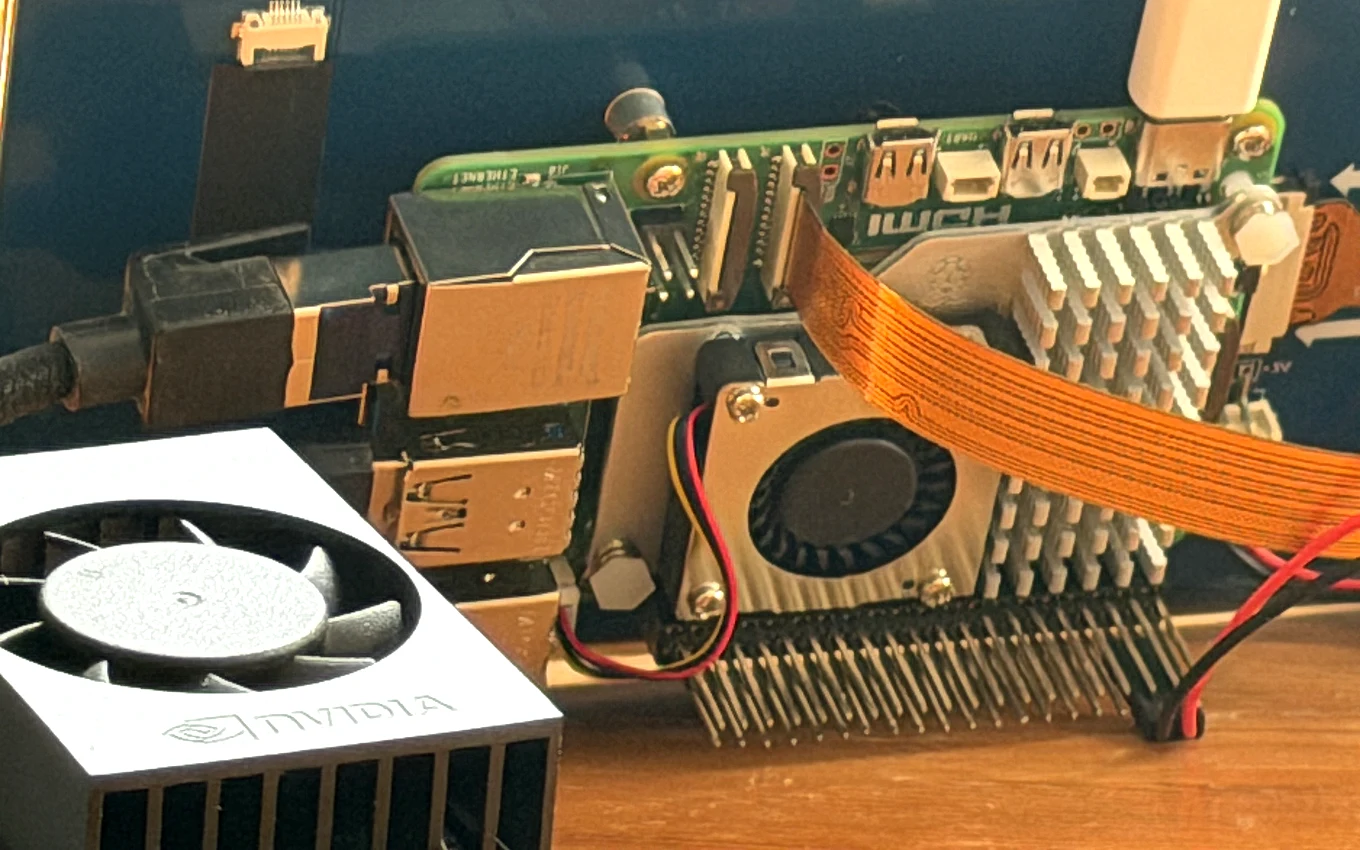
The edge pattern. A validated recipe for on-device store intelligence: a small language model and speech-to-text co-resident on a $250-class computer, sub-4-second voice in the common case, with the cloud as ledger of record. The same architecture serves any deployment where compute must live on site.
The method. Kill criteria before capital, primary-source verification of load-bearing claims, and the one amendment this program earned: read the category’s own record, and price what it costs to prove the model, before building the model. Appendix C states it in three paragraphs; it is the practice’s standing operating procedure.
What was never proved
The market. No store ever ran on the platform, for the whole life of the program. No shopper used it in the wild; the pre-launch lockdown never lifted. No cup was ever counted; the counting protocol was written and the venue closed before it ran. The close-out state is launch-ready engineering with no market evidence. The platform was never falsified as a business. The venues for testing it were.
What would reopen the question
Three conditions were recorded at close. An inbound placement request from a venue relationship formed during the program; no outbound motion reopens the file. Or counted demand, measured somewhere real, clearing the floor case with the total-capital arithmetic closing inside the 24-month line: that is the first gate now, and no parcel reopens the file on its shape, because the shape of a parcel was never what failed. Or a successor project needing the unattended-retail stack as a hardware testbed, in which case the store becomes the harness rather than the business. Absent one of these, the park is permanent.