05
Automation assessment
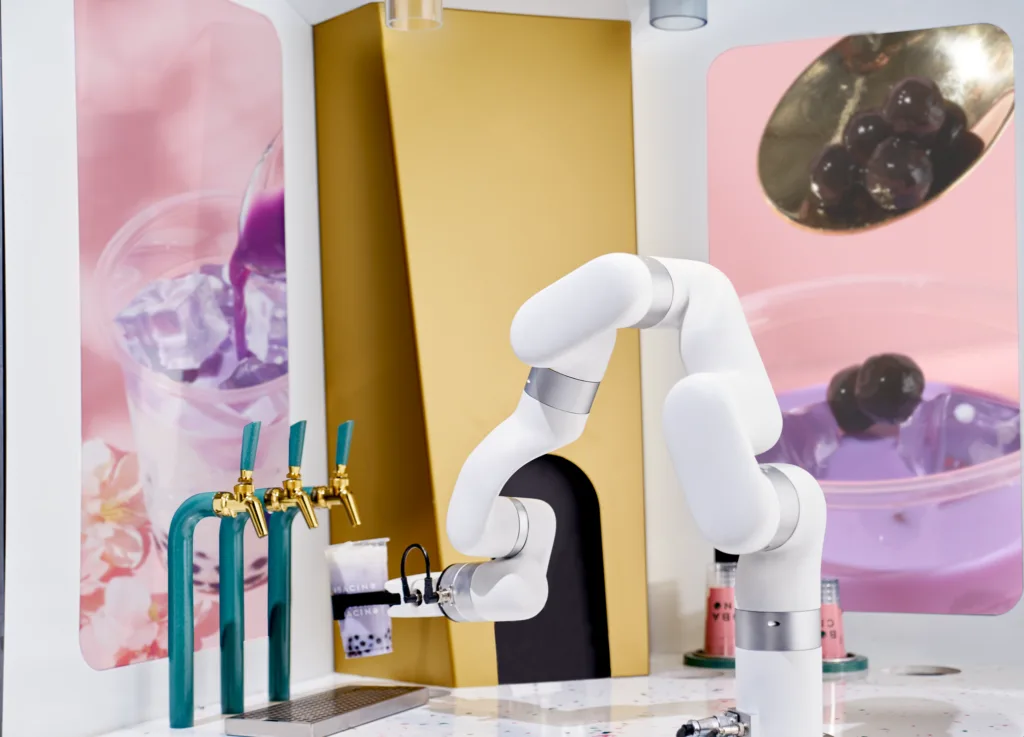
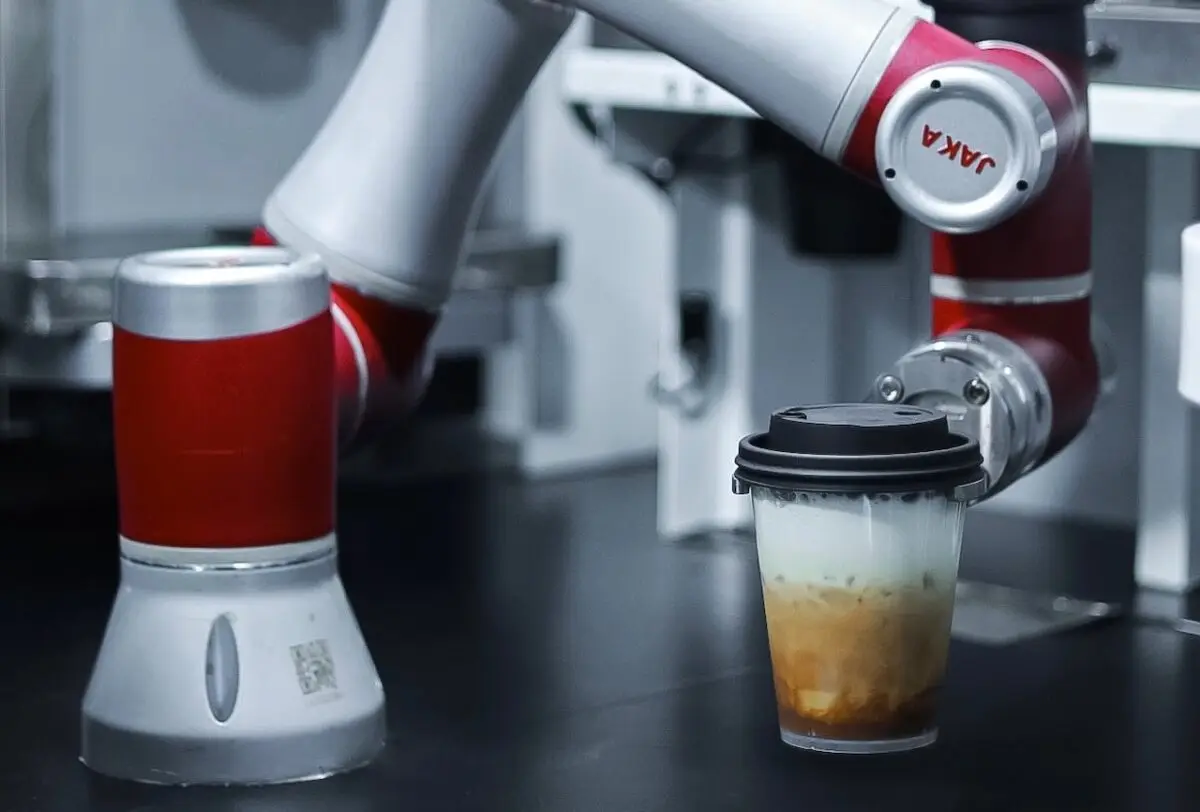 Photo: Caffeo, via 6ix Retail; credit in Appendix B.
The machine question entered the study as a prediction: a doctrine-compliant drink robot exists at or under $20,000 CAD landed. The research falsified it.
The landed-cost arithmetic
Robot-arm bubble-tea machines list on overseas marketplaces at US$12,800 to $15,900, which converts to roughly $18,000 to $22,500 CAD and appears to clear the ceiling.1 Landed, it does not. A worked mid-range example at US$14,350 free-on-board becomes $20,305 CAD before the boat: ocean freight adds $600 to $1,500, import duty adds zero to about $1,700 depending on an unresolved tariff-heading question, tax and brokerage add about $1,300, and none of the researched Chinese units carries a Canadian electrical approval, so an Electrical Safety Authority field evaluation adds an estimated $2,000 to $6,000 more.2 The full landed range is roughly $26,500 to $28,400 CAD, a 30 to 40 percent understatement in the sticker, and four to six months from purchase order to legally operable is the realistic timeline.2
The payment filter
Before price, one binary filter: who is the merchant of record. The practice’s standing rule is that the operator owns the payment flow. Most overseas vending hardware is built for sealed domestic payment rails and bakes the reader into the machine; there is no legitimate way to intercept a sealed proprietary payment path without the vendor’s cooperation.3 The compliant integration shape is a documented bus or dispense-trigger interface, the way third-party vending processors integrate.3 Of everything researched, exactly one vendor claims third-party point-of-sale openness in its marketing, unverified; the rest are unconfirmed or lean toward sealed.1 A component-level build passes the filter by construction: every interface in it is the operator’s own.
The component build
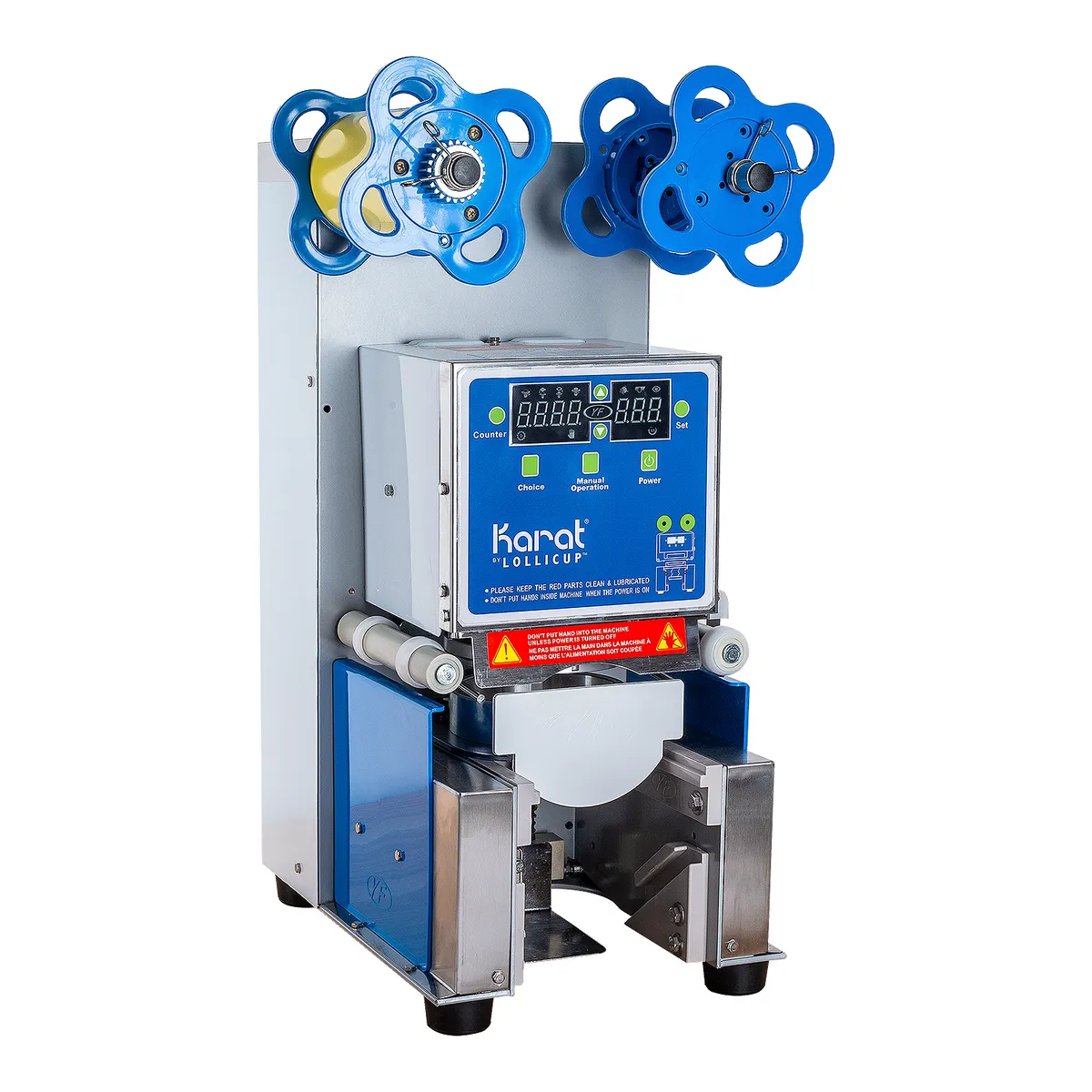
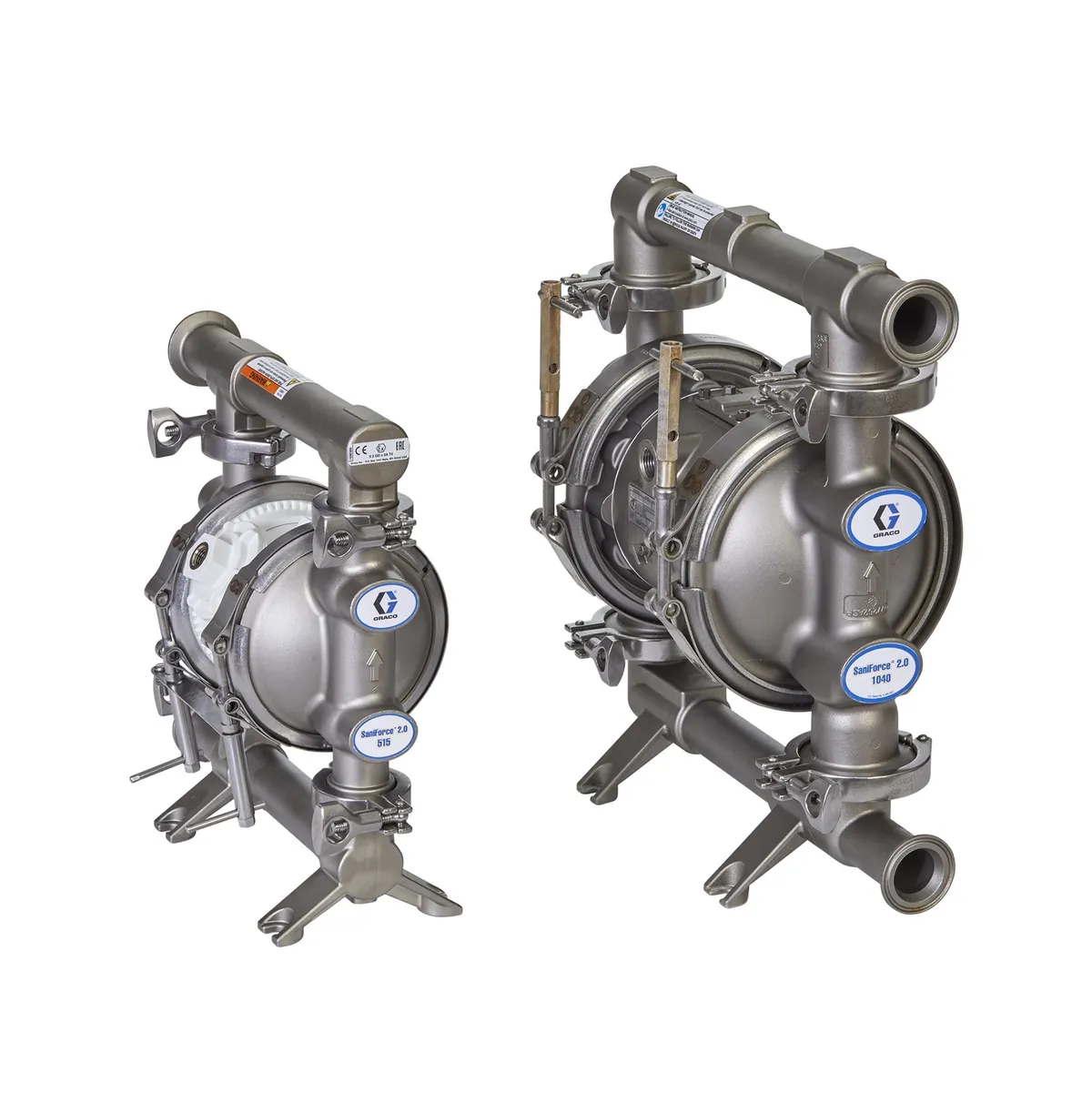
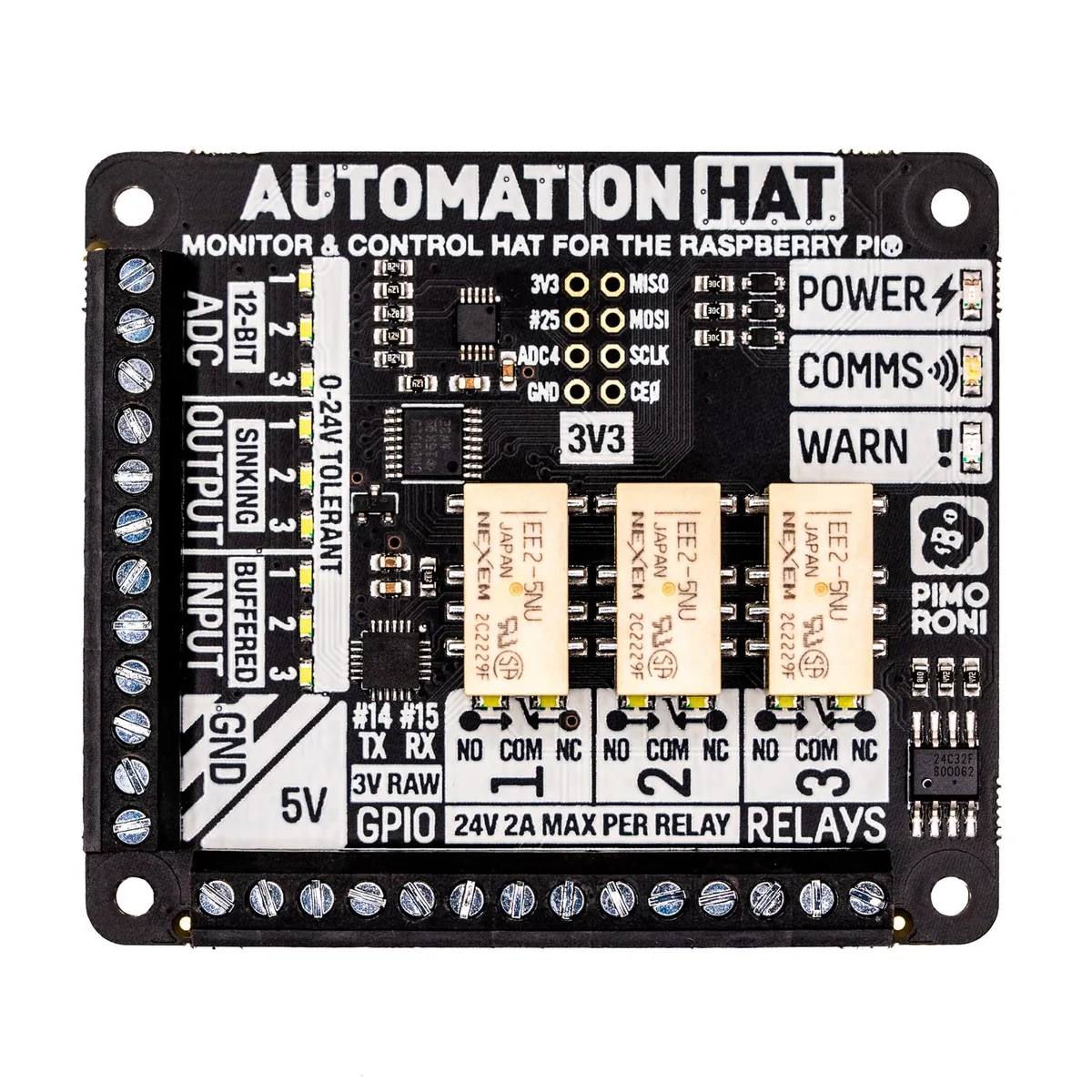
The reference design prices a fresh-drink machine as a set of individually certified commercial food-service parts: merchandiser fridge, chest freezer, food-grade dosing pumps, a hot-hold unit, a cup sealer, stainless prep surfaces, an enclosure, and the actuation electronics an edge computer drives directly. Hardware totals roughly $8,400 to $20,000 CAD, midpoint near $14,000.4 Beyond price, the build carries two structural advantages: its parts already hold recognized food-equipment certifications individually, a materially cleaner compliance story than a sealed imported box with none; and its integration surface is plain relays and drivers rather than a vendor protocol to reverse-engineer.4
| Subsystem | Range, CAD |
|---|---|
| Dairy/perishables fridge | $1,500–3,000 |
| IQF fruit chest freezer | $1,610–2,500 |
| Chassis / food-zone enclosure * | $1,500–4,000 |
| Peristaltic pumps × 4 * | $600–1,800 |
| Contingency (~10%) | $700–1,700 |
| Water line-in + drain fittings * | $500–1,500 |
| NSF stainless prep tables × 2 | $420–1,800 |
| Diaphragm pump (purée) * | $400–900 |
| IQF dosing mechanism (custom) * | $300–800 |
| Actuation electronics * | $300–800 |
| Cup sealer | $260–400 |
| Cup dispenser * | $150–400 |
| Tapioca hot-hold unit * | $150–350 |
| Ice machine | $0 · chilled, not iced, by design |
| Subtotal, hardware only | ~$8,400–20,000 |
* vendor capability confirmed, price quote-only; range estimated against the comparable market. Midpoint of the subtotal is roughly $14,000.
Reliability is the bar
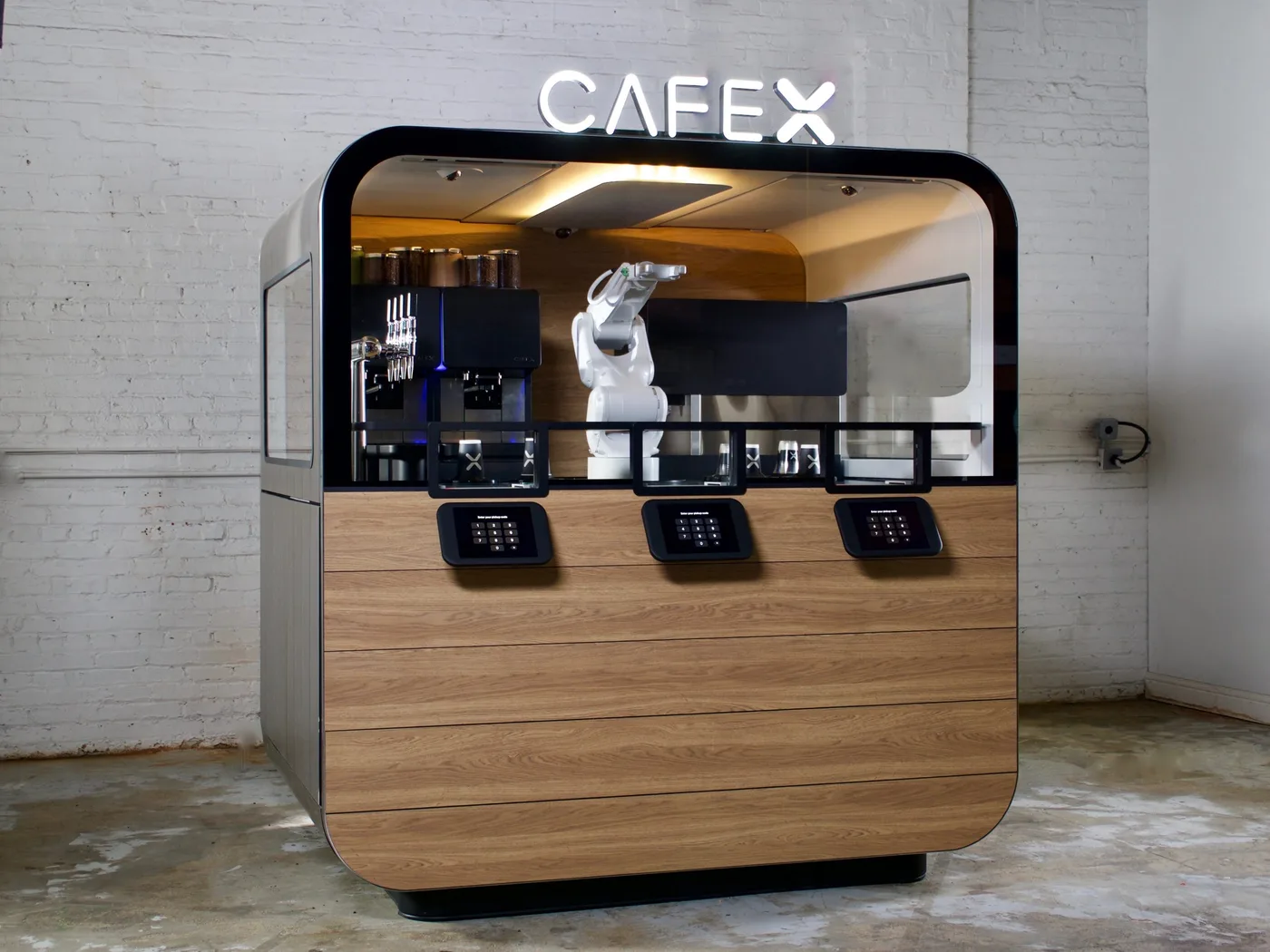
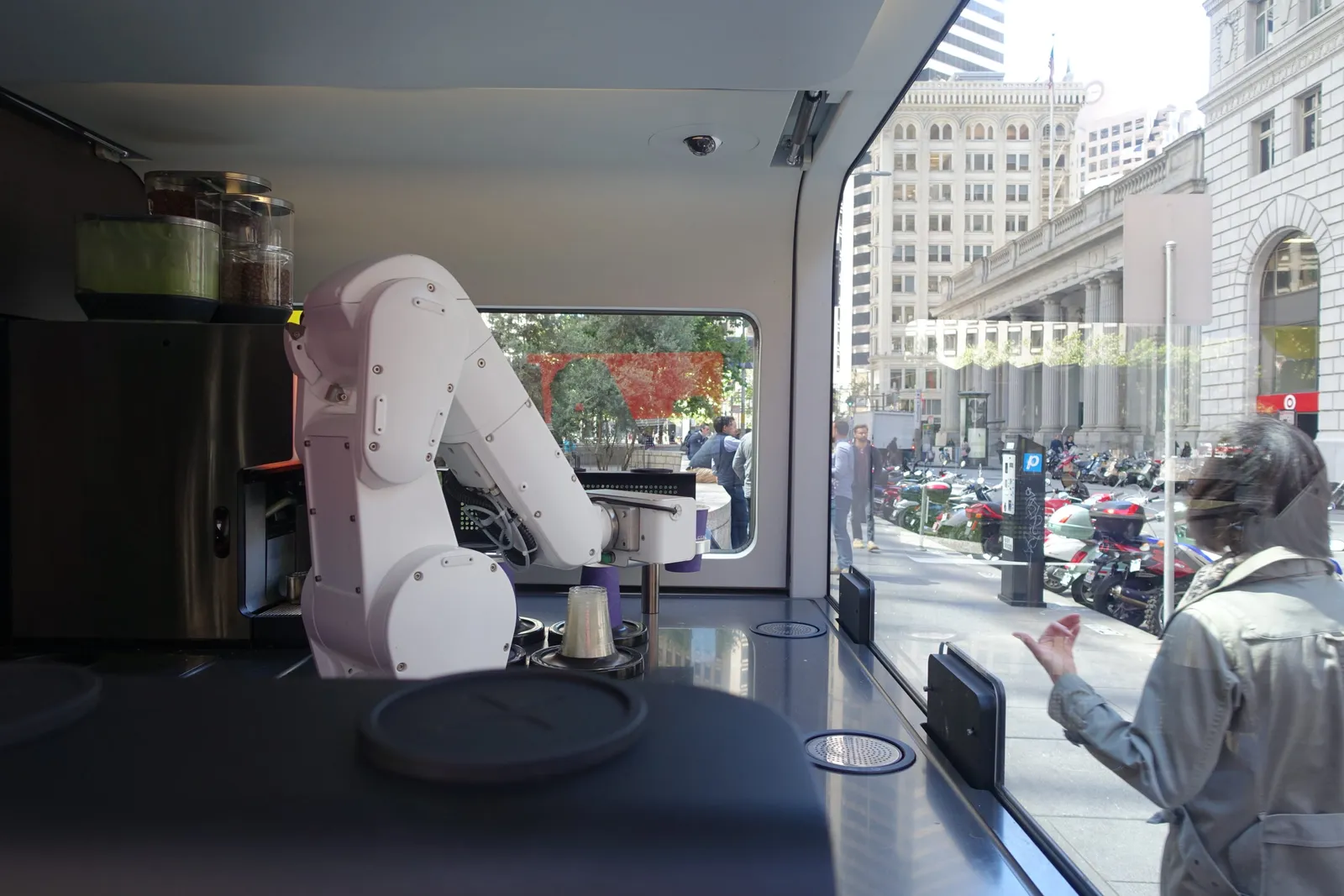
The category’s corporate history says the hard part is not making the machine. Bobacino, a robotic boba bar, closed before shipping and said why in its own words: the environment “made it increasingly difficult to secure the resources required to continue development and achieve full regulatory compliance.”5 Tea Industries, the first robot bubble-tea shop in British Columbia, opened in March 2024 and closed quietly in 2025.5 Cafe X closed its downtown San Francisco robot-coffee locations and retreated to airports, its chief executive summarizing the lesson as “less robot, more old-school coffee”; the airport units later closed too.5 Briggo, which raised US$19 million across a decade, exited by acquisition into a coffee incumbent.5 Machines with no human backstop live or die on uptime, restock cadence, and a permit officer’s classification. The failures cluster on compliance and operations, not robotics.
Verdict of the assessment: at the study’s $15–20K tier, build, do not buy. No researched machine lands compliant under $20K; the component build is the only path that clears cost, payment ownership, and the certification story at once.
The machine, however, was never the binding constraint. Chapters 03, 07 and 08 are where the format actually failed.
Notes
- Overseas marketplace listings for robot-arm and elevator-style bubble-tea machines (alibaba.com showrooms), and vendor pages for the named platforms (Smoodi US$14,999 outright; a smoothie-vending OEM at US$9,500 FOB; a Taiwanese vendor claiming point-of-sale API openness), all accessed 2026-07-14. FX at 1 USD = 1.415 CAD, Bank of Canada-range market rate for the week of 2026-07-07.
- Worked landed-cost example: LCL ocean freight $80–200 per cubic metre; duty scenarios under tariff headings 8476.89 (free) versus 8476.21 (unconfirmed) with no Canada–China surtax applying to this equipment class; 5% GST on the duty-paid value; brokerage $175–230; ESA SPE-1000 field evaluation, no published price, estimated $2,000–6,000. Sources: tariffnumber.com, ghy.com, esasafe.com (fees revised 2026-04-01), all accessed 2026-07-14. The researched Chinese units carry CE/CB/ISO marks only, none a Canadian electrical approval.
- Multi-drop bus (MDB) as the documented integration path for third-party vending payment (nayax.com glossary, accessed 2026-07-14); dominance of sealed domestic mobile-payment rails in the exporting market (oceanpayment.com, accessed 2026-07-14).
- Component reference design and bill of materials: commercial merchandiser fridge, chest freezer (gofoodservice.com), NSF-certified peristaltic dosing pumps (dispensingcomponents.com), food-contact diaphragm pumps (graco.com, arozone.com), pearl warmer, semi-automatic cup sealer (lollicupstore.com), NSF prep tables (katom.com), all accessed 2026-07-14. NSF/ANSI 18 covers component-level dispensing equipment (webstore.ansi.org, accessed 2026-07-14).
- Bobacino closure statement, bobacino.co, accessed 2026-07-14; Tea Industries closure, Daily Hive, accessed 2026-07-14; Cafe X retreat, The Spoon and Axios (January 2020) and Crunchbase News, accessed 2026-07-14; Briggo acquisition by Costa Coffee (Coca-Cola), Daily Coffee News (November 2020), accessed 2026-07-14.